TutorChase logo
Login

IBDP History HL Cheat Sheet - Richard I of England 1173–1199

Paper 1: Prescribed Subject 1 — Military leaders: Richard I of England (1173–1199)

· Exact syllabus anchor: Paper 1, Prescribed Subject 1: Military leaders, Case study 2: Richard I of England (1173–1199).
· Official IB focus: Richard’s leadership, campaigns, and impact, from the revolt against Henry II (1173–1174) to Richard’s death in 1199.
· Main exam expectation: use Richard as a prescribed case study to analyse how a medieval military leader gained reputation, pursued objectives, conducted campaigns, and affected politics, economy, society, culture and religion.
· Comparison requirement: Paper 1 prescribes two case studies from different regions: Genghis Khan and Richard I. Both must be studied, so sources/questions may invite comparison of leadership, campaign methods, objectives, or impact.
· Key warning: for Richard, stay inside the syllabus frame: French lands, crusader states, Sicily, Cyprus, Third Crusade, England, France, ransom, anti-Jewish violence, and Muslim prisoners.

The central historical problem: was Richard a successful military leader or a costly absentee king?

· The IB is not asking for a heroic biography of “Richard the Lionheart”; it asks students to test reputation against results.
· Richard’s career raises a tension between military prowess and political cost: he won prestige through campaigns in France, the Mediterranean, and the Middle East, but his absence from England encouraged political instability, John’s revolt, and the strengthening of the Capetian monarchy.
· Strong answers should balance short-term military success against long-term political and economic consequences.
· A useful judgement: Richard was often effective as a campaign commander, but less successful as a ruler if judged by governance, financial burden, and long-term territorial security.

Rise to power and reputation: 1173–1174 revolt, chivalry and “Richard the Lionheart”

· Revolt of Richard I and his brothers against Henry II (1173–1174): use this as evidence that Richard’s rise was shaped by dynastic conflict, not simply inheritance.
· This revolt matters because it introduces Richard as an ambitious Angevin prince whose military career began in a family power struggle over lands and authority.
· Reputation: military prowess: Richard’s later campaigns built a reputation for aggressive leadership, tactical boldness, siege warfare and personal courage.
· Reputation: chivalry: use carefully. Chivalry strengthened Richard’s image among crusading elites, but it did not prevent harsh actions such as the treatment of Muslim prisoners during the Third Crusade.
· “Richard the Lionheart”: use as an exam example of how reputation can become a historical force: it helped project authority, but can also distort judgement if students ignore cost and impact.
· Exam use: for questions on leadership, argue that Richard’s authority rested on military reputation, noble status, and crusading legitimacy, but his rise also reflected Angevin instability.

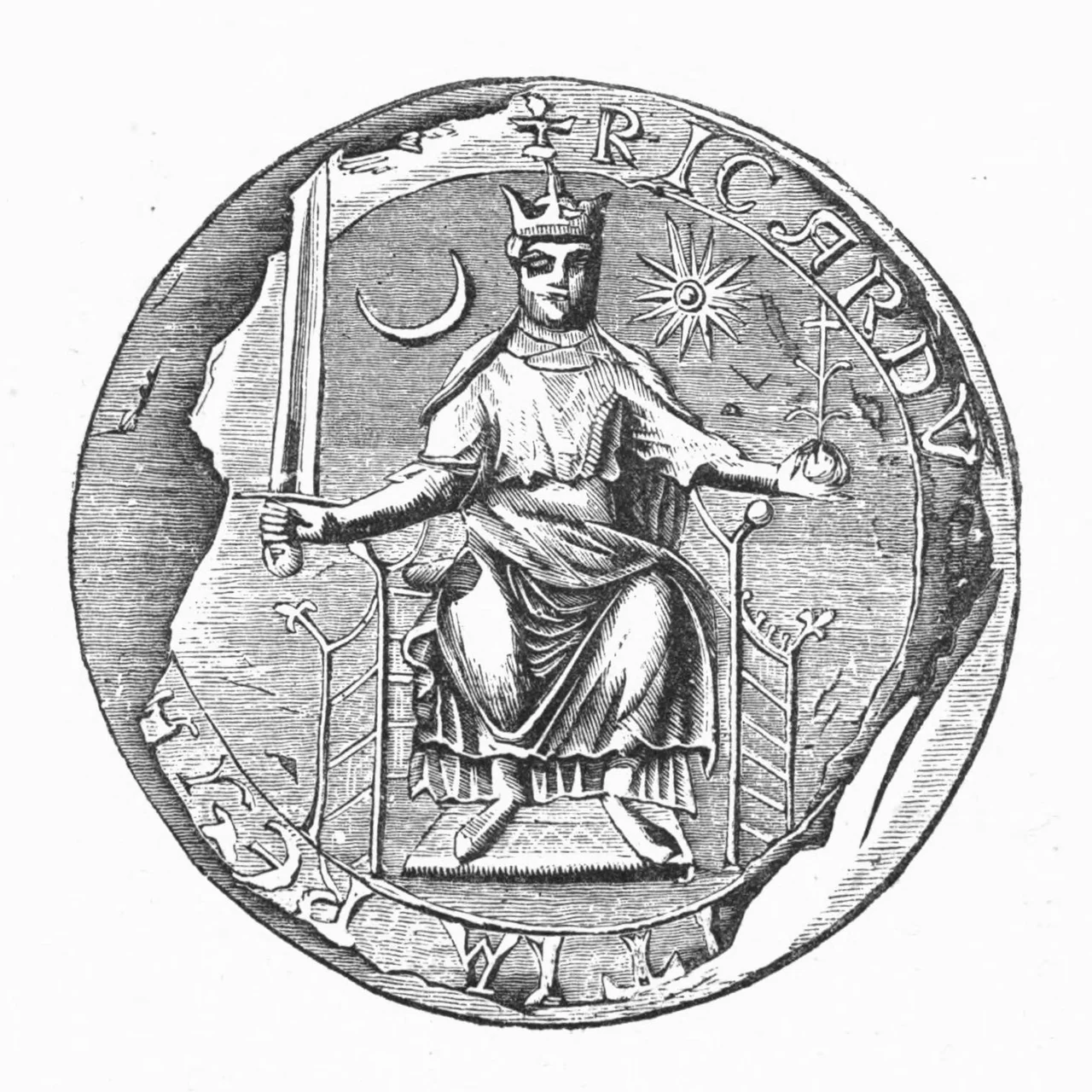
Richard’s effigy visually supports the construction of royal and chivalric reputation after death. Source

Motives and objectives: what Richard was trying to achieve

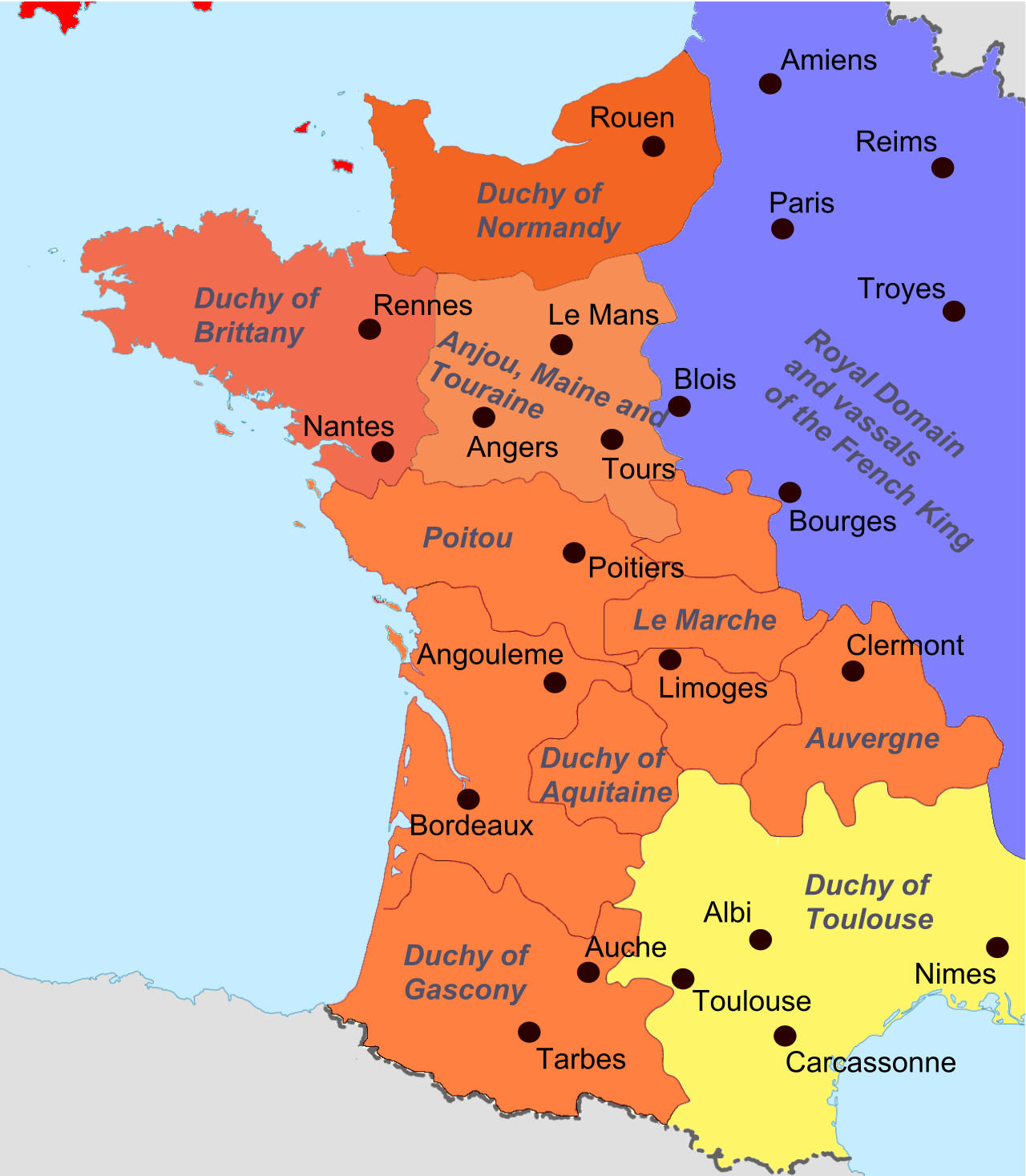
· Defence and recovery of the French lands: Richard’s Angevin lands in France were central to his power. Use this to show that Richard’s objectives were not only religious; they were also dynastic, territorial, and political.
· Defence of the crusader states and recovery of lost territory: Richard’s crusading objective was shaped by the crisis after Muslim victories under Saladin, especially the need to secure surviving crusader positions and recover lost ground.
· Success in achieving objectives: IB expects evaluation. Do not simply say “he was successful” because he won battles; judge each objective separately.
· French lands: partially successful in the short term through continued resistance to Philip II, but Richard’s absence and death in 1199 left long-term vulnerability.
· Crusader states: partially successful because he strengthened the crusader position along the coast, but failed to recover Jerusalem, so his achievement was limited.
· Exam judgement: Richard’s motives combined personal glory, dynastic defence, and religious crusade. His military skill often advanced these goals, but his objectives were too broad and expensive to be fully achieved.

Campaigns in the Mediterranean: Sicily (1190–1191) and Cyprus (1191)

· Occupation of Sicily (1190–1191): use as evidence of Richard’s ability to use force and diplomacy before reaching the Holy Land.
· Sicily shows Richard’s campaign style: rapid coercion, assertion of authority, and control of strategic staging points.
· Conquest of Cyprus (1191): use as a major example of strategic opportunity. Cyprus became valuable because it gave the crusaders a secure eastern Mediterranean base and supply position.
· Cyprus matters for analysis because it shows Richard could turn a logistical crisis into a strategic gain.
· However, these campaigns also show a broader problem: Richard’s route to crusade consumed money, time and political attention before the main objective in the Middle East was reached.
· Exam use: for questions on campaigns, Sicily and Cyprus prove Richard’s effectiveness in logistics, seaborne movement, and rapid conquest, but also show the high cost and diversionary nature of crusading warfare.

Third Crusade: 1191–1192, military success and strategic limitation

· Involvement in the Third Crusade (1191–1192): central syllabus campaign. Use it for Richard’s military prowess, motives, objectives, and social/religious impact.
· Acre (1191): Richard’s arrival strengthened the crusader siege effort and helped secure a major coastal victory. Use Acre to show how leadership could alter a campaign’s momentum.
· Arsuf (7 September 1191): useful evidence for Richard’s tactical discipline. The crusader victory against Saladin’s forces helped secure the coastal route and strengthened Richard’s reputation.
· Jaffa: important for outcome analysis because control of coastal positions helped preserve the crusader states even without retaking Jerusalem.
· Failure to recover Jerusalem: essential limitation. Richard’s campaign improved the crusader position but did not achieve the symbolic and strategic goal of recovering Jerusalem.
· Treatment of Muslim prisoners during the Third Crusade: use as evidence for social, cultural and religious impact. It complicates claims about chivalry and shows the brutality of crusading warfare.
· Exam judgement: Richard was tactically successful in the Third Crusade, but strategically limited: he defended and strengthened crusader positions but failed to complete the recovery of lost territory.

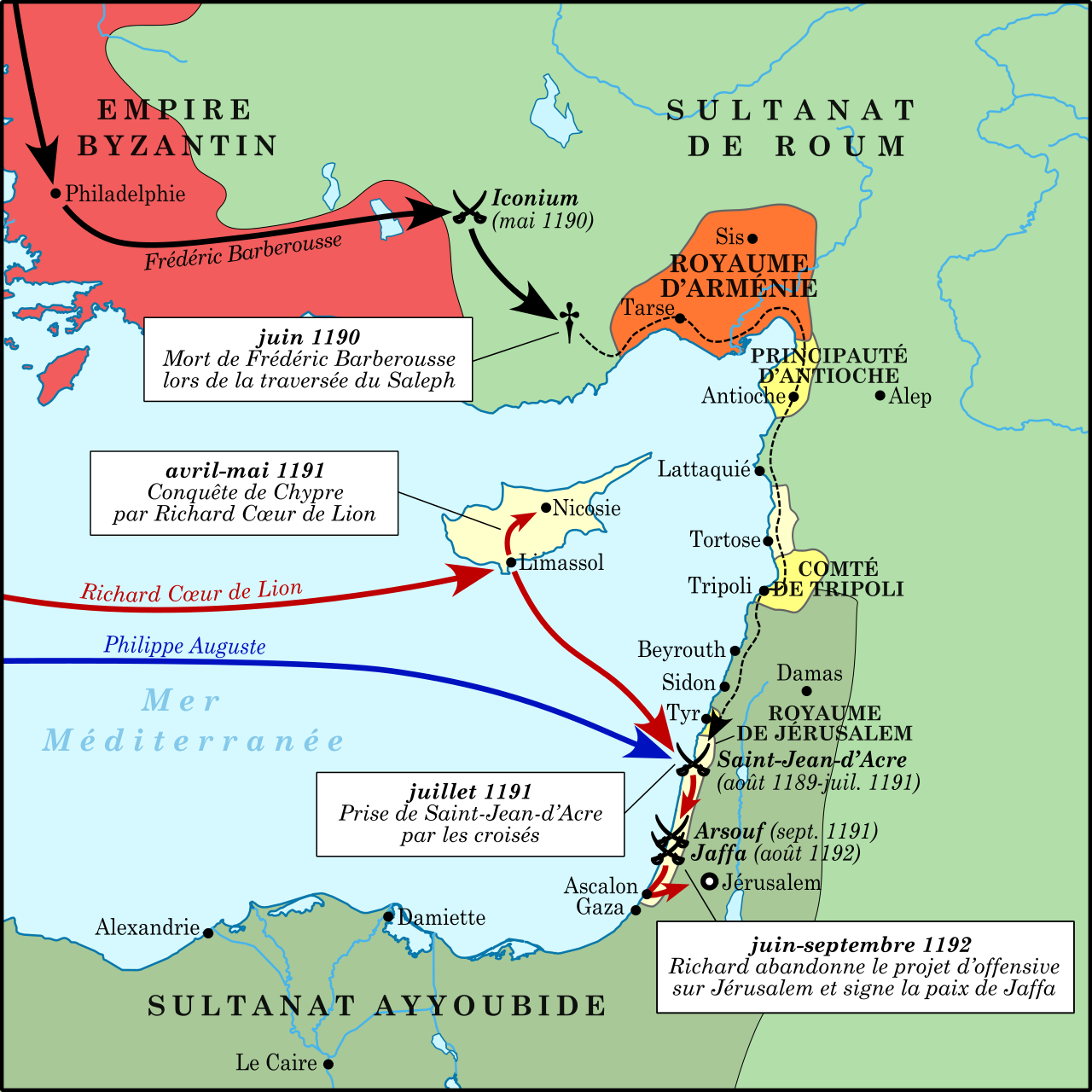
A Third Crusade map helps connect Richard’s campaigns in the Mediterranean and Middle East. Use it to revise sequence, geography and why coastal control mattered more immediately than an inland march to Jerusalem. Source

Acre is a strong evidence point for Richard’s impact on the Third Crusade because it shows how leadership, siege warfare and coalition politics interacted. Use it in essays on campaign outcomes and military reputation. Source

Arsuf is useful for analysing Richard’s command style: discipline, timing and cavalry control mattered to the outcome. It is especially useful in questions about military prowess and tactics. Source

Campaigns in France: defending Angevin power against Philip II

· The syllabus requires the course, outcome and effects of Richard I’s campaigns in France, so do not treat the crusade as the whole topic.
· Richard’s French campaigns were about defence and recovery of the French lands, especially against the growing power of Philip II / Philip Augustus.
· Use Philip II as the key rival: he challenged the Angevin position and benefited from Richard’s absence and later death.
· Richard’s military activity in France shows continued tactical energy after crusade and captivity, but it did not permanently secure Angevin dominance.
· Political impact in France: the syllabus stresses the growth in prestige and strength of the Capetian monarchy and expansion of royal control.
· Exam use: argue that Richard’s military skill slowed Capetian expansion but could not reverse the structural growth of French royal power.

Political impact in England: absence, instability and John’s revolt

· Absence of the king: central political impact. Richard spent much of his reign away from England, so questions on impact should discuss governance as well as warfare.
· Political instability: Richard’s absence weakened direct royal control and increased opportunities for factional conflict.
· Revolt of John and Philip in Richard’s absence: use as precise syllabus evidence. It shows how personal crusading ambition created domestic and international vulnerability.
· Analysis: absence did not automatically mean collapse, but it made England dependent on delegated authority and exposed the monarchy to internal betrayal.
· Exam use: in a question on impact, argue that Richard’s military campaigns produced prestige but also destabilized the political system at home.

Economic impact: funding war, taxing clergy and the 1193 ransom

· Raising money for campaigns: Richard’s warfare required exceptional financial extraction. Use this to connect military ambition to economic burden.
· Taxation of clergy: syllabus-specific evidence that religious institutions were drawn into the costs of crusading and kingship.
· Capture and imprisonment by Leopold V, Duke of Austria, and Henry VI, Holy Roman Emperor (1193): crucial evidence for the economic and political cost of Richard’s campaigns.
· Raising of the ransom after 1193: use as a strong example of how Richard’s personal military career imposed a collective financial burden on England.
· Analysis: Richard’s campaigns were not only battlefield events; they reshaped taxation, royal finance and relations with elites.
· Exam use: for impact questions, link campaign finance to political instability: heavy extraction could sustain war but also fuel resentment and weakness.

Social, cultural and religious impact: violence and crusading ideology

· Anti-Jewish violence: the syllabus explicitly includes this under Richard’s social, cultural and religious impact. Use it to show that crusading enthusiasm and royal absence could intensify violence against minorities.
· Do not treat anti-Jewish violence as a side story; it is part of IB’s impact focus and can be linked to religious climate, social tension and authority.
· Treatment of Muslim prisoners during the Third Crusade: use as evidence that Richard’s crusade had brutal consequences for non-Christian populations.
· Analysis: these examples challenge an overly positive interpretation of Richard’s chivalric reputation.
· Exam use: argue that Richard’s reputation as “Lionheart” and crusader hero must be weighed against religious violence and coercion.

Compact evidence bank: use these examples in exam paragraphs

· 1173–1174 revolt against Henry II — demonstrates Richard’s rise through dynastic conflict; use for rise to power, ambition and Angevin instability.
· “Richard the Lionheart” — demonstrates reputation for military prowess and chivalry; use to evaluate whether reputation matched outcomes.
· Sicily (1190–1191) — demonstrates coercive diplomacy and control of a strategic staging point; use for Mediterranean campaigns and campaign logistics.
· Cyprus (1191) — demonstrates opportunistic conquest and strategic supply value; use for Richard’s ability to convert crisis into military advantage.
· Third Crusade (1191–1192) — demonstrates Richard’s central crusading role; use to assess defence of crusader states and failure to recover Jerusalem.
· Acre / Arsuf / Jaffa — demonstrates siege success, tactical leadership and coastal strategy; use to argue Richard was militarily skilled but strategically limited.
· John and Philip’s revolt in Richard’s absence — demonstrates political vulnerability caused by absence; use for political impact in England and France.
· 1193 ransom — demonstrates economic burden after capture by Leopold V and Henry VI; use for financial impact and limits of military glory.

Comparison and judgement: Richard I and Genghis Khan

· Leadership basis: Richard’s authority came from dynastic kingship, chivalric reputation and crusading legitimacy; Genghis Khan’s came from uniting rival tribes, personal leadership and naming as Genghis Khan (1206).
· Objectives: Richard aimed at defence/recovery of French lands and defence of crusader states; Genghis Khan aimed at expansion and consolidation of Mongol power.
· Campaign methods: Richard’s campaigns often centred on sieges, naval logistics, cavalry discipline and elite warfare; Genghis Khan’s syllabus focus includes military technology, organization, strategy and tactics across large-scale invasions.
· Political impact: Richard’s absence encouraged instability and helped the Capetian monarchy grow; Genghis Khan’s campaigns overthrew ruling systems and created new administrative structures including Yassa.
· Economic impact: Richard’s campaigns created taxation and ransom burdens; Genghis Khan’s impact included establishment, enhancement and protection of trade routes.
· Social/religious impact: both case studies involve violence and terror, but Richard’s syllabus examples focus on anti-Jewish violence and Muslim prisoners, while Genghis Khan’s include population displacement, terror, looting, destruction, and also religious freedom under the Mongols.
· Judgement line: Richard is best judged as a brilliant but costly campaigner; Genghis Khan is better judged as a transformative empire-builder whose military leadership reshaped political and economic systems on a larger scale.

IB-style exam angles and how to answer them

· “Evaluate Richard I’s success as a military leader.” Balance Sicily, Cyprus, Acre/Arsuf/Jaffa against failure to recover Jerusalem, financial strain and political instability.
· “To what extent did Richard achieve his objectives?” Divide answer by objective: French lands, crusader states, lost territory, and reputation.
· “Examine the impact of Richard I’s campaigns.” Structure by political impact in England, political impact in France, economic impact, and social/religious impact.
· “Compare the leadership of Richard I and Genghis Khan.” Compare using categories: rise to power, motives, campaign methods, success, and impact.
· Strong paragraph method: make a claim, add one named syllabus example, explain its significance, then judge success/failure in relation to the exact wording of the question.

Exam traps or common mistakes

· Do not write a biography of Richard from birth to death; the syllabus starts with 1173–1174 and ends in 1199.
· Do not treat “Lionheart” as proof of success; reputation must be tested against outcomes and impacts.
· Do not ignore France. The syllabus requires Richard’s campaigns and impact in France, not only the Third Crusade.
· Do not say the Third Crusade was a complete success; Richard strengthened the crusader position but failed to recover Jerusalem.
· Do not describe anti-Jewish violence or Muslim prisoners vaguely; link them to social, cultural and religious impact.
· Do not forget the economic impact: campaigns, taxation of clergy and the 1193 ransom are key evidence.

Checklist: can you do this?

· Explain Richard’s rise to power through the 1173–1174 revolt and connect it to leadership.
· Assess whether Richard achieved his objectives in France and the crusader states.
· Use Sicily, Cyprus, and the Third Crusade as campaign evidence, not narrative decoration.
· Evaluate political, economic, social, cultural and religious impact using precise syllabus examples.
· Compare Richard with Genghis Khan using leadership, campaigns and impact categories.

Hire a tutor

Please fill out the form and we'll find a tutor for you.

1/2
Your details
Alternatively contact us via
WhatsApp, Phone Call, or Email