

IB Syllabus focus: 'The availability and metabolization of macronutrients influence health and performance. Nutritional strategies before and during exercise can affect gastrointestinal comfort and sporting performance.'
Understanding how carbohydrates, fats, and proteins are available and metabolized helps explain why nutrition timing and food choice can improve performance while reducing fatigue and gastrointestinal discomfort during exercise.
Macronutrient availability
Macronutrient availability is the amount of carbohydrate, fat, and protein that can be digested, absorbed, transported, and used by the body at a given time. Availability depends on recent food intake, stored fuel, exercise intensity, and exercise duration. If the most suitable fuel is limited, performance usually declines because ATP production becomes less efficient for the demands of the activity.
Carbohydrates
Carbohydrate is the most important fuel for moderate- to high-intensity exercise because it can be broken down rapidly to support a high rate of ATP resynthesis. Carbohydrates are eaten as sugars and starches, digested to glucose, and either used immediately or stored.
Glycogen: The storage form of carbohydrate found mainly in skeletal muscle and the liver.
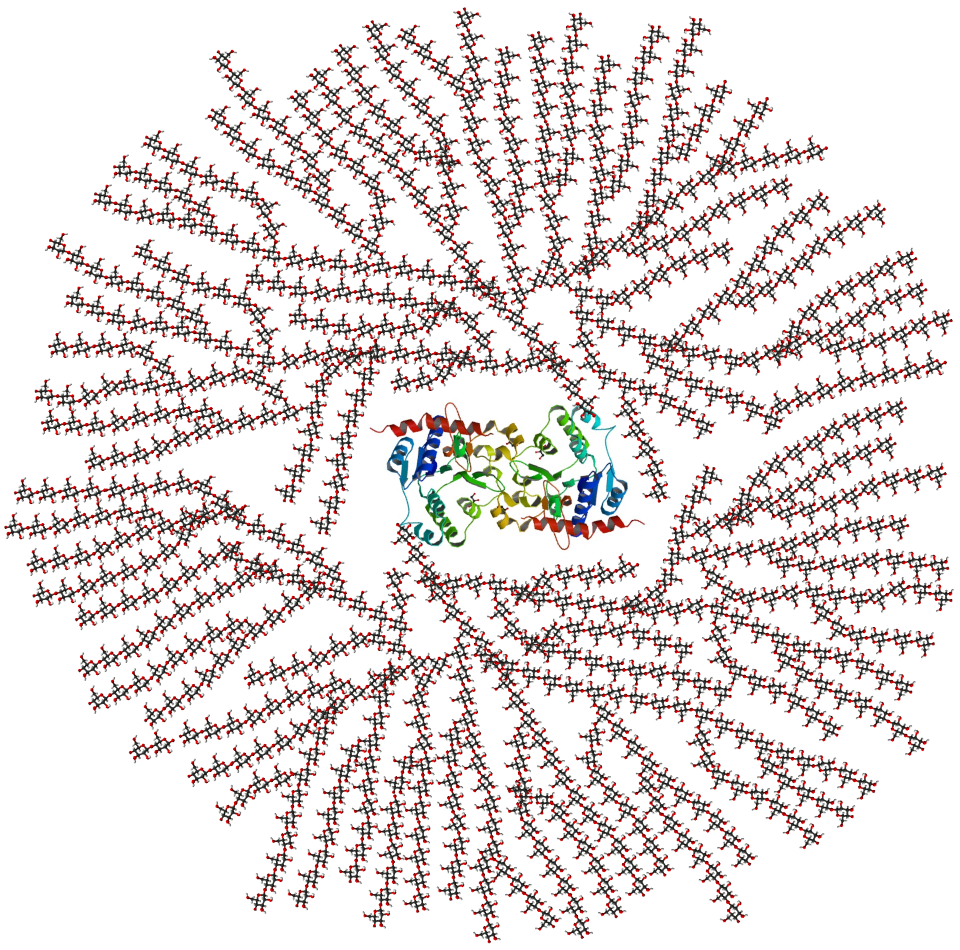
This diagram shows glycogen as a highly branched polymer of glucose built around the core protein glycogenin. The branching structure creates many ends that can be accessed quickly during glycogen breakdown, supporting rapid glucose supply when high ATP turnover is required. Source
Muscle glycogen supports the working muscles directly, while liver glycogen helps maintain blood glucose. When carbohydrate availability is high, athletes can generally sustain higher exercise intensities, delay fatigue, and maintain skill execution and decision-making. When glycogen stores fall, pace often drops and perceived effort rises.
Lipids
Lipids provide a large energy store, mainly as triglycerides in adipose tissue and muscle. Fat metabolism is especially important at rest and during lower-intensity, longer-duration exercise. However, fat is metabolized more slowly than carbohydrate, so it cannot support the same rapid energy demand during high-intensity work. This means that even athletes with large fat stores may still fatigue if carbohydrate availability becomes too low.
Proteins
Protein is mainly used for growth, repair, and synthesis of enzymes and hormones, not as a primary exercise fuel. However, amino acids can contribute a small amount of energy, especially during prolonged exercise or when carbohydrate availability is low. Relying heavily on protein for energy is not ideal because it may compromise tissue maintenance and recovery.
Macronutrient metabolization and performance
Metabolization refers to the chemical breakdown and use of nutrients in the body. For performance, the key issue is not only what is eaten, but also how quickly and effectively it can be digested, absorbed, and converted into usable energy.
Carbohydrate is usually the most performance-supporting macronutrient because it is metabolized relatively quickly and can supply energy both anaerobically and aerobically. Fat contributes importantly to aerobic metabolism, but its slower breakdown limits its usefulness when the exercise intensity rises. Protein has the smallest direct contribution to exercise energy in most situations.
As exercise continues, the relative use of fuels can change:
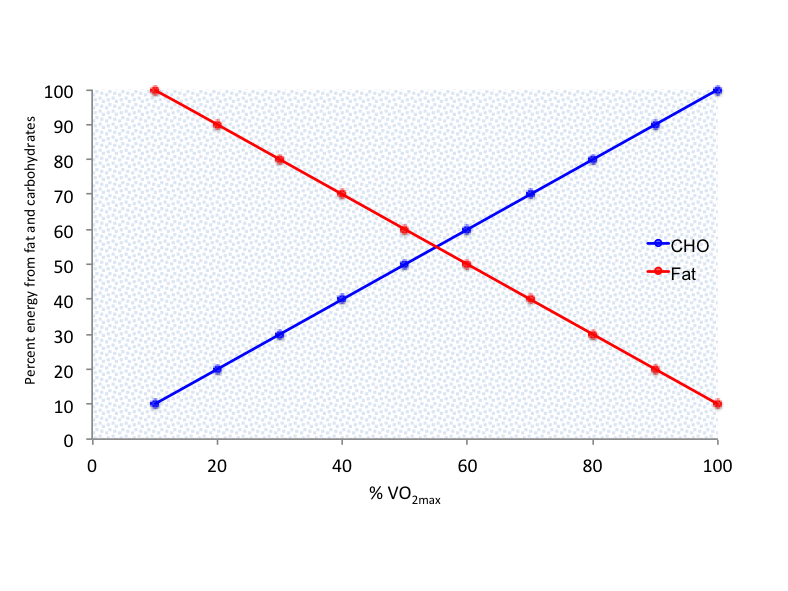
This graph illustrates the “crossover concept,” showing fat’s contribution to energy decreasing as exercise intensity increases while carbohydrate (CHO) contribution rises. It helps explain why moderate-to-high intensity exercise depends more on carbohydrate to meet rapid ATP demand, whereas fat contributes more during lower-intensity work. Source
Higher intensity increases dependence on carbohydrate.
Longer duration increases the importance of maintaining blood glucose.
Low carbohydrate availability can reduce power output, speed, and concentration.
Appropriate carbohydrate intake can spare limited glycogen stores and help preserve performance.
Nutritional strategies before exercise
Food consumed before exercise influences the fuel that is available at the start of activity. The main aim is to begin exercise with adequate carbohydrate availability while avoiding digestive discomfort. A pre-exercise meal is generally easiest to tolerate when it is familiar, timed appropriately, and matched to the intensity and duration of the session.
Useful pre-exercise strategies include:
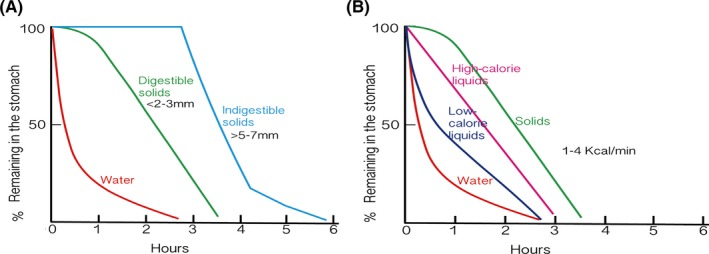
This figure summarizes how food properties influence gastric emptying rate, highlighting that higher-calorie (energy-dense) liquids tend to empty more slowly than lower-calorie liquids. It supports the practical idea that higher fat/energy density can delay stomach emptying, increasing the risk of “heavy” stomach sensations and gastrointestinal discomfort during hard exercise. Source
Emphasizing carbohydrate to top up liver and muscle glycogen stores.
Choosing foods that are relatively low in fat before intense exercise, because fat slows gastric emptying.
Avoiding excessive protein immediately before exercise if it replaces needed carbohydrate or feels too heavy.
Limiting very high-fiber foods close to exercise if they increase bloating, gas, or urgency.
Testing foods in training rather than trying new products on competition day.
The closer a meal is to the start of exercise, the smaller and simpler it usually needs to be. Larger meals require more digestion time. Poor timing or unsuitable food choices can leave an athlete feeling sluggish or nauseated even if total energy intake is adequate.
Nutritional strategies during exercise
During exercise, nutritional strategies are most important when activity is prolonged or when high-intensity efforts must be repeated. In these situations, carbohydrate intake can help maintain blood glucose and delay fatigue. Easily digested sources such as sports drinks, gels, or low-fiber foods are often preferred because they provide carbohydrate without large digestive demands.
Gastrointestinal comfort matters because discomfort can directly reduce pace, concentration, and willingness to consume fuel. During exercise, athletes often tolerate small, frequent amounts of carbohydrate better than large boluses. Very concentrated foods, large volumes eaten too quickly, or unfamiliar products may increase the risk of symptoms.
Factors affecting gastrointestinal comfort and sporting performance
Gastrointestinal responses vary between individuals, so effective strategies must be personalized. Important influences include:
Exercise intensity, with harder exercise often reducing digestive tolerance.
The amount and type of food remaining in the stomach.
Food composition, especially fat, fiber, and sometimes protein.
The concentration and form of carbohydrate consumed.
Anxiety, which can worsen digestive symptoms before competition.
The best performance strategy combines adequate fuel availability with a plan the athlete can comfortably tolerate. In practice, this means selecting the right macronutrient emphasis, timing intake well, and rehearsing nutrition plans in training so that competition nutrition supports rather than disrupts performance.
Practice Questions
State two ways high carbohydrate availability can improve sporting performance.
1 mark for stating that it helps maintain higher exercise intensity or a faster rate of ATP resynthesis.
1 mark for stating that it delays fatigue, maintains blood glucose, or helps preserve skill and concentration.
Explain how nutritional strategies before and during exercise can improve performance while reducing gastrointestinal discomfort in a prolonged event.
1 mark for explaining that pre-exercise carbohydrate intake helps increase glycogen availability.
1 mark for explaining that meal timing matters because larger meals need longer to digest.
1 mark for explaining that lower-fat choices before exercise can reduce delayed gastric emptying.
1 mark for explaining that limiting high-fiber or unfamiliar foods can reduce bloating, cramping, or urgency.
1 mark for explaining that carbohydrate intake during prolonged exercise helps maintain blood glucose and delay fatigue.
1 mark for explaining that small, frequent, easily digested carbohydrate intake is often better tolerated than large or concentrated intakes.
FAQ
Glucose and fructose use different intestinal transporters. Because of this, combining them can sometimes increase total carbohydrate absorption compared with using only one source.
This may help:
deliver more usable carbohydrate during long events
reduce overload of a single transporter
improve tolerance in athletes who get symptoms from high intakes of one sugar alone
It is most relevant in longer endurance exercise where carbohydrate intake during exercise matters.
“Training the gut” means practicing race-day eating and drinking strategies during training so the digestive system becomes more tolerant.
Possible adaptations include:
better comfort with larger carbohydrate intakes
improved confidence using gels, drinks, or chews
more consistent feeding under exercise stress
It also helps athletes identify which products, textures, and timing patterns work best before important competition.
Not always. Glycemic index can influence how quickly carbohydrate enters the blood, but performance is also shaped by total carbohydrate intake, meal timing, and individual tolerance.
In practice:
lower-glycemic meals may feel steadier for some athletes
higher-glycemic foods can still work well close to exercise
a “perfect” glycemic index is less useful than a meal the athlete can digest comfortably
Tolerance and timing are often more important than the label alone.
These foods can increase gastrointestinal symptoms because they are sometimes poorly absorbed in the intestine. That can draw water into the gut and increase fermentation by gut bacteria.
Possible effects include:
bloating
gas
cramping
diarrhea or urgency
This matters more before hard exercise because blood flow is redirected away from the digestive system, making symptoms easier to trigger in sensitive athletes.
It can increase the body’s reliance on fat, especially during submaximal exercise. However, this does not automatically improve performance.
Potential drawback:
reduced carbohydrate availability can limit high-intensity efforts, surges, sprint finishes, and repeated attacks
So while fat use may rise, performance can suffer in sports that need speed or frequent changes in pace. The strategy is therefore more limited than it first appears.
