
Nervous-system coordination
The nervous system senses changes in both internal conditions and the external environment.
Information about a stimulus is detected and communicated so that an appropriate response can be coordinated.
Responses enable the body’s different physiological systems to work together effectively.
Coordination allows body functions to be adjusted when conditions or physical demands change.
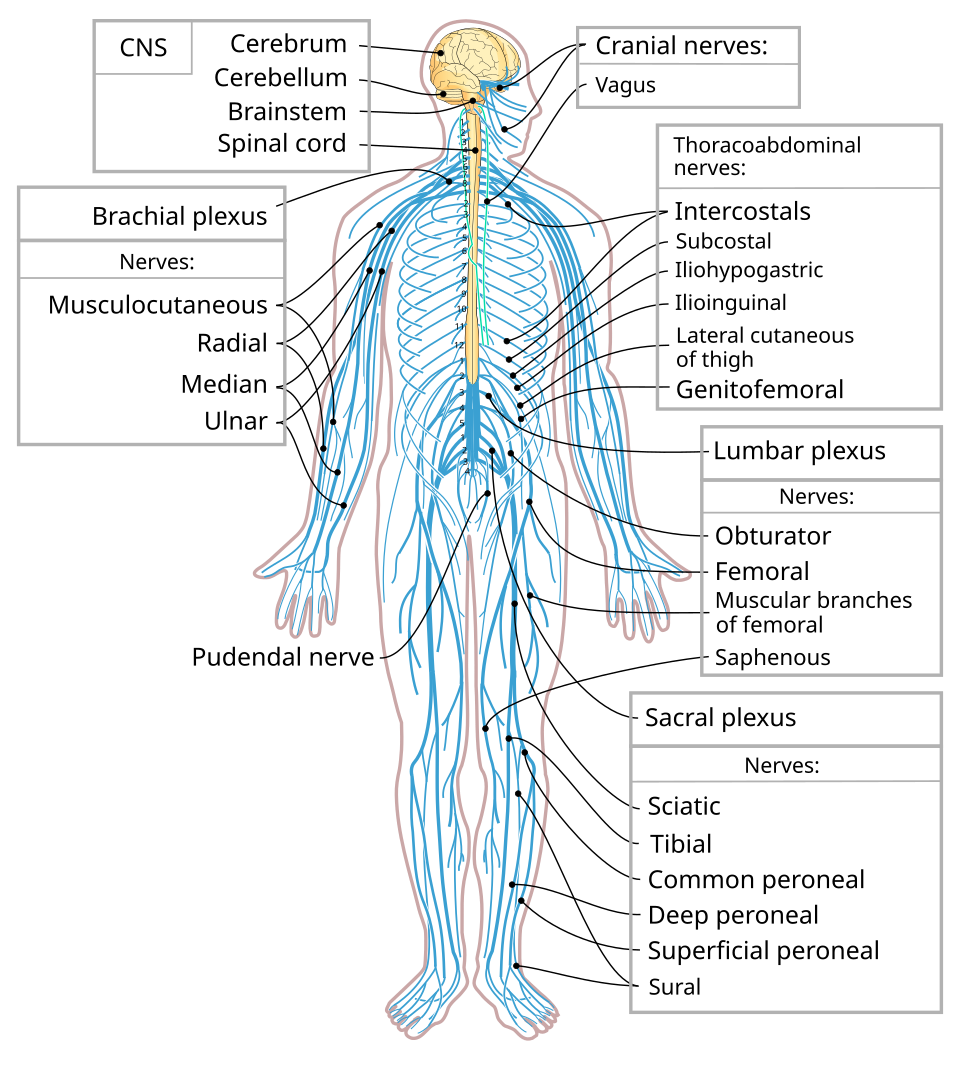
The brain and spinal cord form the central pathway for coordination, while branching nerves connect this pathway to the rest of the body. This arrangement allows information and responses to pass between physiological systems.
Sensory receptors
Receptors are specialised cells that respond to particular stimuli and initiate nervous-system responses.
Proprioceptors detect information about body position and movement.
Baroreceptors detect changes in pressure, particularly changes associated with blood pressure.
Chemoreceptors detect changes in chemical conditions, including oxygen, carbon dioxide and acidity.
For examinations, identify the stimulus detected and the resulting nervous response; the receptors’ internal workings are not assessed.
Autonomic balance
The autonomic nervous system regulates involuntary functions without requiring conscious control.
Its two divisions are the sympathetic and parasympathetic nervous systems.
Sympathetic activity generally prepares physiological systems for increased demand, including an increased heart rate.
Parasympathetic activity generally supports recovery and decreases heart rate when demand falls.
Their contrasting effects allow functions such as cardiac activity to be adjusted as conditions change.
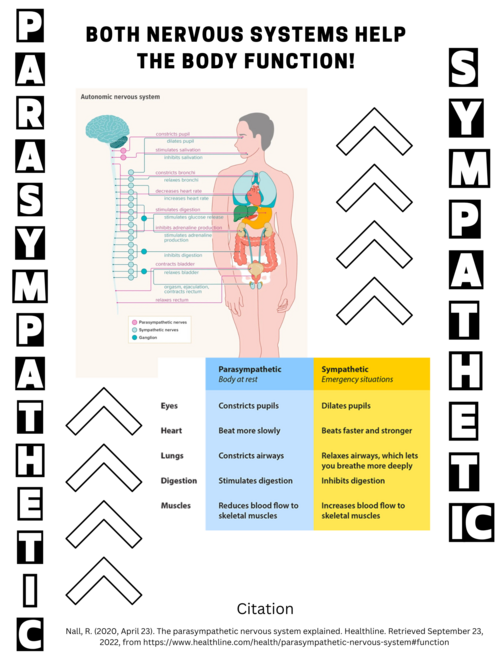
The two autonomic divisions usually produce contrasting adjustments. Their balance enables involuntary functions to match periods of greater activity or recovery.
Epinephrine and norepinephrine
Epinephrine and norepinephrine are hormones involved in widespread physiological adjustment.
They cause changes in blood pressure.
They cause changes in heart rate.
They also cause changes in blood sugar levels.
In an examination response, connect both hormones with all three specified effects.
Reproductive hormones
Hormone | Specified effects on health and performance |
|---|---|
Progesterone | Has a thermogenic effect, affecting thermoregulation and sleep quality, and influences fuel availability |
Oestrogen | Promotes glycogen sparing and affects joint stiffness |
Testosterone | Influences bone formation, protein synthesis and erythropoietin |
Nervous-system divisions
Division | Subdivision | Exam-relevant role |
|---|---|---|
Central nervous system | Brain and spinal cord | Coordinates and processes information |
Peripheral nervous system | Nerves outside the central nervous system | Connects the central nervous system with the body |
Efferent division | Autonomic nervous system | Controls involuntary physiological functions |
Efferent division | Somatic nervous system | Controls voluntary responses involving skeletal muscles |
Autonomic nervous system | Sympathetic nervous system | Supports increased physiological activity |
Autonomic nervous system | Parasympathetic nervous system | Supports recovery and reduced physiological activity |
Physiological control
Cardiac function is controlled through cooperation between intrinsic cardiac mechanisms and extrinsic nervous influences.
Intrinsic mechanisms establish the heart’s rhythm, while extrinsic factors adjust heart rate according to the body’s requirements.
The autonomic nervous system coordinates changes in breathing and ventilation when physiological demands change.
This coordination adjusts the movement of air into and out of the lungs.
The nervous system detects thermal conditions and coordinates responses involved in temperature control.
These examples demonstrate how nervous communication coordinates several physiological systems simultaneously.
Endocrine communication
The endocrine system consists of the body’s glands and hormones.
It helps regulate biological processes throughout the body.
Hormones are mediator molecules released in one part of the body.
They regulate the activity of responsive cells located in other parts of the body.
Different hormones regulate cardiovascular function, blood sugar, water retention, health and athletic performance.
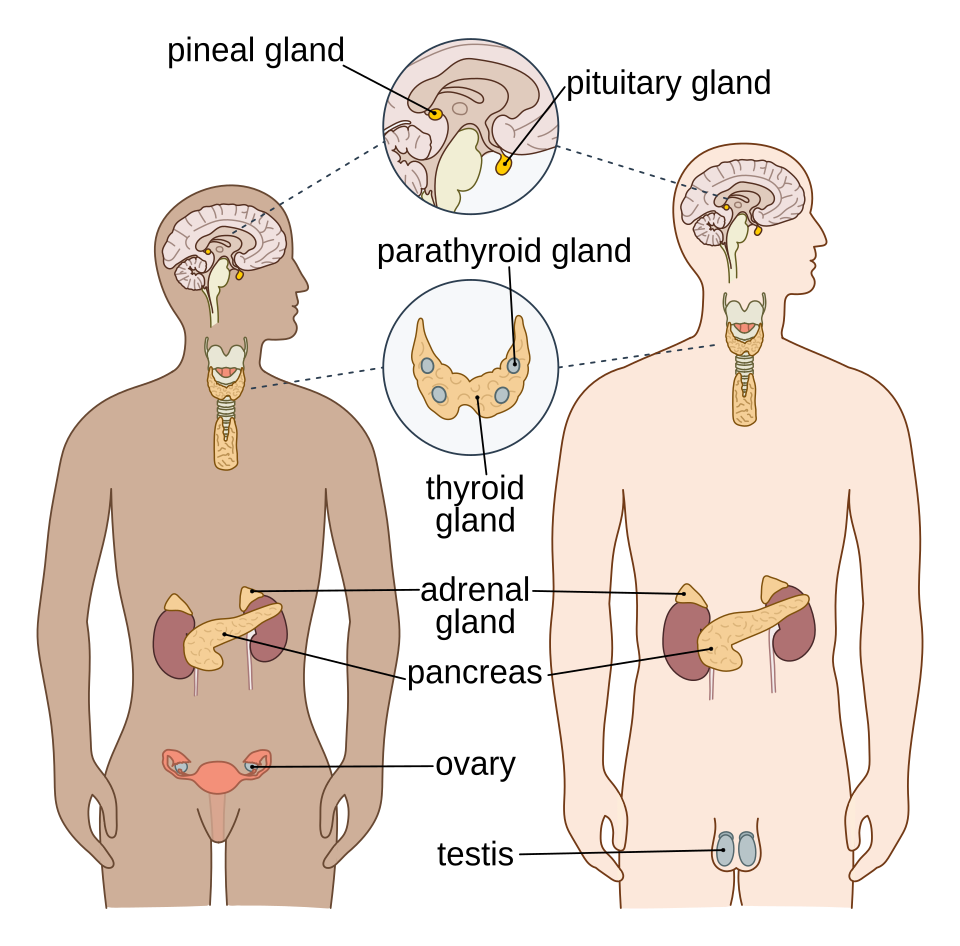
The endocrine system contains glands distributed throughout the body. Hormones released from these locations regulate cells and biological processes elsewhere.
Blood sugar and water retention
Insulin and glucagon regulate blood sugar concentration through opposing effects.
Insulin acts when blood sugar concentration must be reduced.
Glucagon acts when blood sugar concentration must be increased.
Together, these hormones regulate the availability of sugar in the blood.
Antidiuretic hormone regulates the retention of water by the kidneys.
Do not confuse blood-sugar regulation by insulin and glucagon with water regulation by antidiuretic hormone.
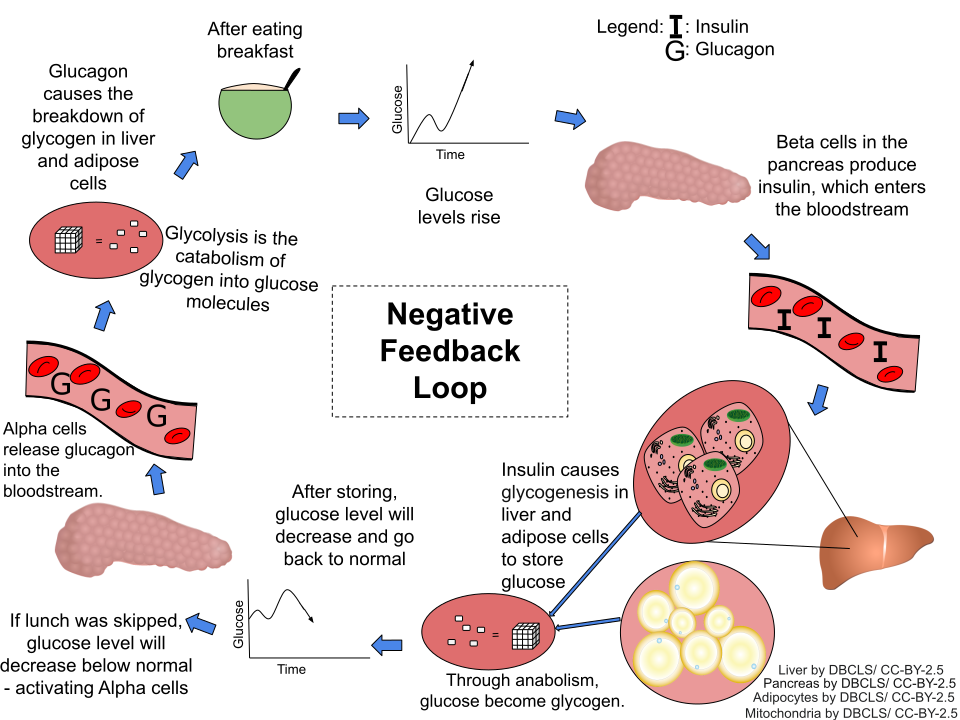
Insulin lowers elevated blood sugar, whereas glucagon raises reduced blood sugar. The diagram emphasises that the two hormones regulate blood sugar in opposite directions.
Checklist: can you do this?
Can you explain how the nervous system coordinates responses to internal and external conditions?
Can you distinguish the central and peripheral nervous systems?
Can you distinguish the autonomic and somatic nervous systems?
Can you compare the sympathetic and parasympathetic nervous systems?
Can you identify the stimuli detected by proprioceptors, baroreceptors and chemoreceptors?
Can you explain nervous control of cardiac function, ventilation and temperature?
Can you explain how insulin, glucagon and antidiuretic hormone regulate different conditions?
Can you evaluate how reproductive hormones may affect health and athletic performance?