IB Syllabus focus: 'Intergovernmental organizations and formal political forums shape political interactions, decisions, and possible responses to global political issues.'
Global issues usually cross borders, so governments need recurring venues to negotiate, coordinate policy, and make collective choices. Intergovernmental organizations and formal forums provide those channels and can strongly shape outcomes.
Key concepts
An intergovernmental organization is a body created by states to pursue shared goals through regularized cooperation. Examples include the United Nations (UN), World Health Organization (WHO), World Trade Organization (WTO), and African Union (AU).
Intergovernmental organization: An organization made up primarily of states, usually established by a formal agreement, with ongoing structures and functions for cooperation and decision-making.
IGOs differ from one-time meetings because they usually have a continuing existence, recognized membership, and procedures that allow repeated interaction over time. They can make cooperation more predictable by creating clear channels for discussion, negotiation, and coordination.
A formal political forum may be part of an IGO or may operate mainly as a recognized venue for political discussion and coordination, such as a summit, conference of parties, or ministerial meeting.
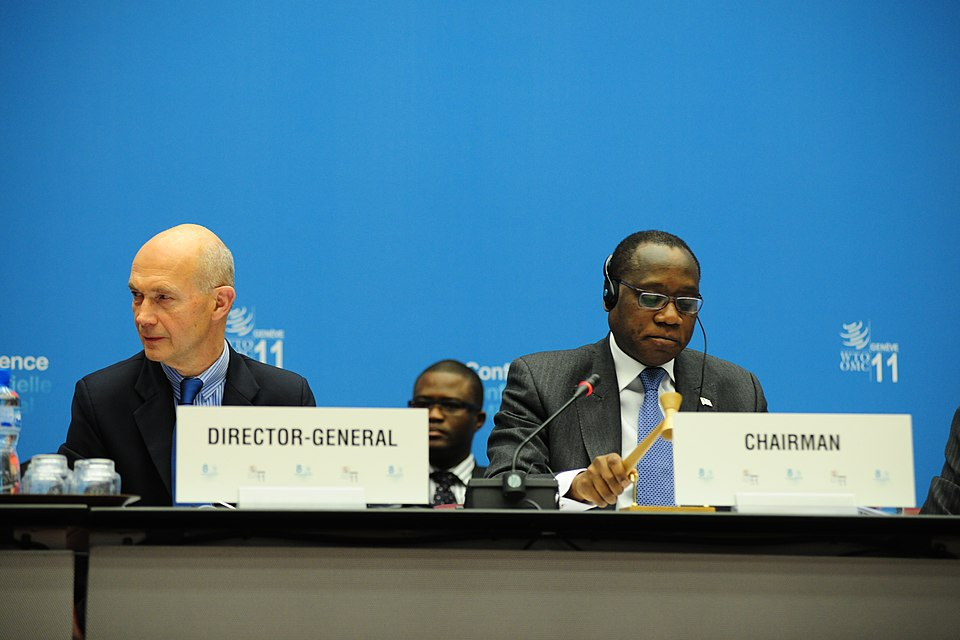
Delegates and senior officials convene at the World Trade Organization’s Ministerial Conference, the WTO’s highest decision-making forum. The conference setting illustrates how formal procedures (agenda control, speaking order, and negotiation formats) structure interaction and shape the kinds of agreements that are politically achievable. Source
Formal political forum: An organized and recognized setting in which political actors meet under established procedures to discuss issues, negotiate, and coordinate responses.
Formal forums matter even when they do not make binding decisions. They still influence politics by setting agendas, signaling priorities, and bringing powerful actors into structured contact.
How they shape political interactions
Providing regular channels of contact
IGOs and forums shape political interactions by giving states and other official representatives a place to meet repeatedly rather than only during crises. This can reduce uncertainty and make diplomacy more continuous.
They do this by:
creating scheduled meetings, summits, and assemblies
providing diplomatic channels between governments
allowing bargaining in a structured environment
offering mediation and dispute-management procedures
enabling smaller states to voice concerns in ways that might be difficult in purely bilateral diplomacy
Regular interaction can build habits of communication. Even when states disagree, they are often more likely to keep talking if an established forum exists. This matters in conflict management, trade disputes, public health emergencies, and climate negotiations.
Framing issues and setting agendas
IGOs and forums also shape interactions by deciding what gets discussed and how it is discussed. Agenda-setting is politically significant because issues that are prioritized receive attention, resources, and diplomatic effort.
For example, a forum can frame migration as a security concern, a humanitarian issue, or a development challenge. Each framing encourages different policy responses. The power to set agendas often lies with chairs, secretariats, leading states, or host governments, so interactions are not always neutral.
How they shape decisions
Rules and procedures matter
IGOs and formal forums influence decisions through their decision-making rules. These rules affect who can participate, how proposals are introduced, and what counts as agreement.
Important procedural features include:
membership rules: who is allowed into the organization or meeting
voting rules: simple majority, qualified majority, or unanimity
consensus procedures: decisions move forward only when no actor formally objects
special powers: some bodies give particular states greater authority, such as veto power
committee structures: smaller bodies often draft decisions before larger meetings approve them
These procedures shape outcomes because they advantage some actors and strategies over others. A consensus rule may encourage compromise, but it can also slow action. A majority vote may speed decisions, but some states may see the result as less legitimate if they are overruled.
Producing political outputs
IGOs and forums produce different kinds of outcomes, including:
resolutions
declarations
communiqués
mandates
negotiated frameworks
coordinated policy commitments
Not all outputs have the same force. Some are highly influential because they authorize action, allocate resources, or commit members politically. Others matter because they signal shared positions and affect expectations about future behavior. In global politics, decisions are often shaped not only by whether an organization can force compliance, but also by whether it can build broad support for a collective response.
How they shape possible responses to global issues
Coordination and collective action
A major reason these bodies matter is that they expand the range of possible responses to transnational problems. Individual states often cannot effectively address global issues alone.
IGOs and forums make collective responses more possible by:
coordinating joint action among many governments
pooling information and technical expertise
organizing emergency meetings during crises
distributing responsibilities across member states
mobilizing funding, personnel, or political support
monitoring whether commitments are being followed
This is especially important when issues require synchronized action, such as disease outbreaks, sanctions regimes, peace operations, or trade negotiations.
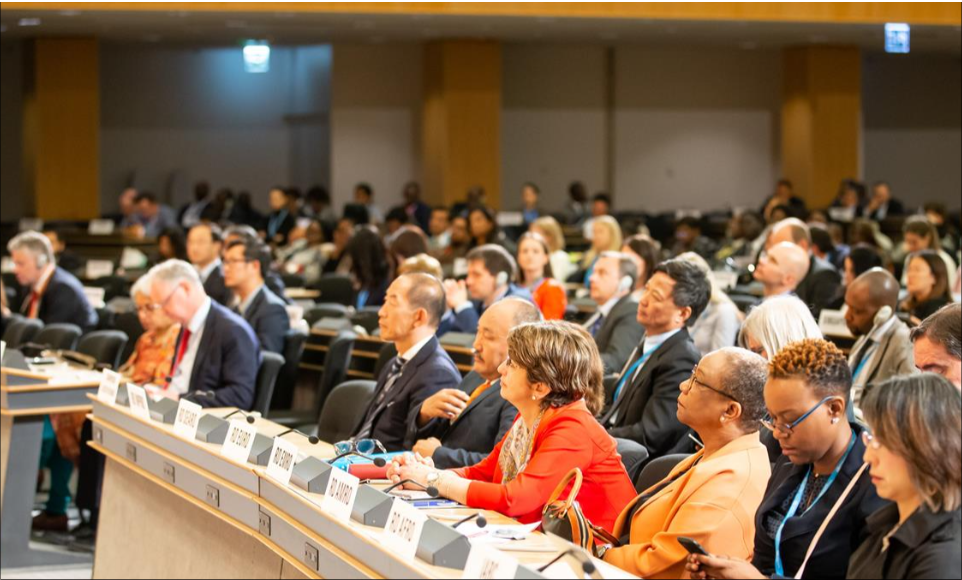
Delegates at the World Health Assembly meet in plenary sessions and committees to debate resolutions and coordinate collective responses to global health risks. The image exemplifies how an IGO creates a standing venue for diplomacy where technical expertise and political bargaining intersect to produce shared commitments. Source
Information and expertise
Many IGOs have specialist knowledge that shapes what governments think is feasible. Technical reports, monitoring systems, and policy advice can narrow or widen the set of responses seen as realistic. In this sense, power is not only about coercion; it is also about defining practical options.
Strengths and limitations
IGOs and formal forums can increase cooperation, predictability, and legitimacy, but they also have important limits.
Strengths include:
giving diplomacy a stable structure
helping states coordinate faster
increasing the visibility of global issues
allowing collective responses that would be difficult individually
Limitations include:
dependence on member-state political will
unequal influence of powerful states
slow decision-making
deadlock when interests clash sharply
weak implementation after agreements are reached
As a result, the existence of an organization or forum does not guarantee effective action. It may shape possibilities without fully determining outcomes.
How to analyze them in IB Global Politics
When examining an IGO or formal forum, focus on:
its purpose and issue area
who its members are
what procedures it uses
which actors have the most influence
what kind of decisions it can produce
whether its decisions lead to meaningful political responses
A strong analysis shows not just that an organization exists, but how its structure and procedures shape interactions, decisions, and possible responses in a specific global political issue.
Practice Questions
(3 marks) Define an intergovernmental organization.
1 mark for stating that it is an organization made up primarily of states/governments.
1 mark for stating that it is established through a formal agreement or similar official arrangement.
1 mark for stating that it has ongoing structures/functions for cooperation or decision-making.
(6 marks) Explain two ways formal political forums shape responses to global political issues.
Award up to 3 marks for each explained way, to a maximum of 6 marks. For each way:
1 mark for identifying a relevant way, such as agenda-setting, coordination, negotiation, information-sharing, or collective decision-making.
1 mark for explaining how this shapes the response to a global political issue.
1 mark for supporting the explanation with a relevant example or clearly developed detail.
FAQ
Observer status usually allows a state, territory, or organization to attend meetings without full voting rights.
This can still matter a great deal because observers may:
speak in debates
submit views or documents
build diplomatic relationships
influence negotiations informally
Observer status is often a stepping stone to fuller participation, but its exact value depends on the rules of the specific organization.
A communiqué can still have political force because it publicly records what leaders agreed to prioritize.
It may matter by:
signaling policy direction to markets and publics
creating expectations for future action
showing unity or division among major powers
pressuring governments to follow through domestically
So even without legal enforcement, communiqués can shape diplomatic momentum and political credibility.
A secretariat is the administrative body that helps an organization or forum function continuously rather than only at headline events.
Typical roles include:
preparing agendas and documents
collecting data
organizing meetings
drafting reports
supporting negotiations
tracking implementation
Because secretariats manage information and procedure, they can quietly influence what options are presented and which issues receive sustained attention.
The chair, presidency, or host often has procedural influence that can affect outcomes even without formal dominance.
For example, it may:
decide meeting priorities
manage speaking order
propose compromise language
control the pace of negotiations
represent the forum externally
This role matters most when members are divided, because skilled chairing can move talks forward while weak chairing can leave negotiations stuck.
Funding affects what an organization can realistically do. A body with limited resources may have ambitious goals but weak implementation capacity.
Funding also matters politically:
major contributors may gain informal influence
earmarked funds can skew priorities
financial dependence can reduce autonomy
budget shortfalls can delay responses during crises
So the effectiveness of an IGO often depends not only on formal authority, but also on who pays and how reliably resources are available.