AP Syllabus focus:
‘New mass media such as radio and film spread national culture and increased Americans’ awareness of regional cultures.’
During the 1920s, rapidly expanding radio and cinema industries reshaped cultural life, creating a shared national consciousness while also exposing Americans to diverse regional traditions, perspectives, and identities.
The Rise of Mass Media in the 1920s
The emergence of radio broadcasting and the rapid growth of Hollywood cinema transformed how Americans consumed information and entertainment. These technologies created a shared national culture, aligned closely with expanding consumer capitalism and modern advertising. Together, they allowed Americans—whether rural or urban, immigrant or native-born—to access the same voices, music, and stories with unprecedented immediacy.
Technological Innovation and Accessibility
New production and transmission technologies made radios cheaper, more reliable, and easier to operate. Millions of households purchased home receivers, and movie studios adopted synchronized sound after 1927, improving film accessibility and entertainment appeal.
• Radio ownership skyrocketed, reaching into urban tenements and rural farmhouses alike.
• The standardization of film distribution allowed theaters nationwide to screen the same features within days.
• Advertising agencies quickly recognized radio’s reach, helping stabilize broadcast networks and expand cultural influence.
Radio as a Unifying Cultural Force
By the late 1920s, radio became a dominant cultural medium, shaping public life through entertainment, news, and shared national experiences.
Network Broadcasting and National Reach
National networks such as NBC and CBS connected local stations into integrated broadcasting systems, ensuring consistent programming across time zones. This development allowed Americans to listen simultaneously to the same music, comedy shows, sporting events, and political speeches.
Network Broadcasting: A system in which multiple radio stations share centrally produced programs, creating unified national content.
This shared schedule helped unify geographically dispersed populations. People in rural Kansas could listen to the same jazz band or presidential address as families in New York City.
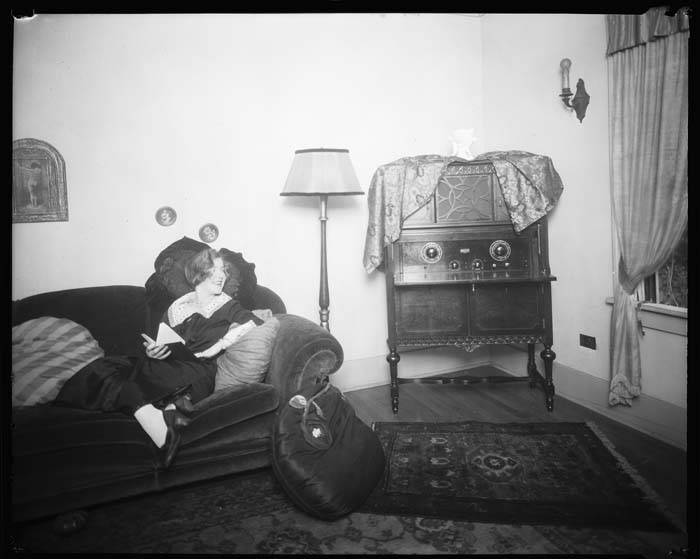
A young woman listens to a console radio in her Seattle living room around 1926, illustrating how radio became part of ordinary domestic life. The furniture-like radio cabinet reflects the medium’s central role in family entertainment. Extra contextual details from the archive extend beyond AP requirements but help show the diversity of programming available at the time. Source.
The spread of dialects, humor, and musical styles across regions contributed to a sense of cultural commonality that had not existed on such a broad scale before.
Cultural Transmission and Awareness of Regional Traditions
Although radio homogenized some aspects of culture, it also highlighted regional expression. Local music genres—particularly jazz, country, and blues—reached national audiences through coast-to-coast broadcasts.
• Jazz orchestras broadcast from Harlem nightclubs helped popularize African American cultural forms.
• Appalachian musicians contributed to the rise of country and “hillbilly” music.
• Live sporting events, including baseball and boxing, connected listeners emotionally across regional divides.
Cinema and the Expansion of a Shared Visual Culture
Hollywood’s growth into a major cultural powerhouse paralleled radio’s rise. Studios such as MGM, Paramount, and Warner Bros. standardized film production, distribution, and marketing, enabling movies to circulate widely and predictably.
Hollywood as a Cultural Export
American films shaped fashion, slang, and social expectations by depicting glamorous lifestyles, modern gender roles, and consumer ideals. Movie stars—including Charlie Chaplin, Clara Bow, and Rudolph Valentino—became national icons whose personas transcended regional culture.
• Silent films allowed immigrants with limited English to participate fully in moviegoing culture.
• The introduction of sound (“talkies”) in 1927 expanded cinema’s emotional and narrative possibilities.
• Movie palaces—ornate theaters built in cities and small towns—became community hubs.
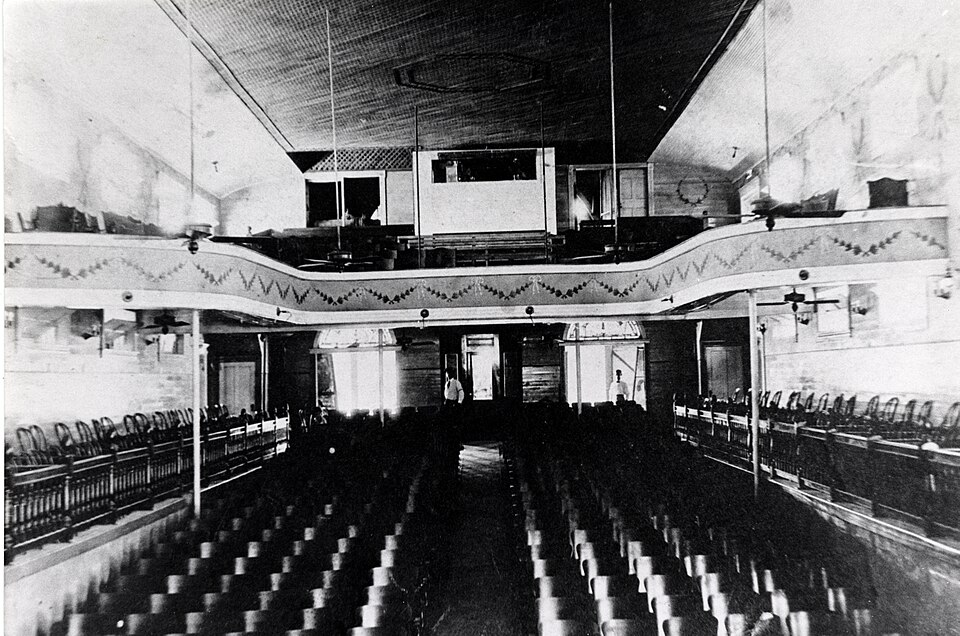
The 1920s interior of the San Carlos Theater shows the elaborate design typical of movie palaces, which helped transform filmgoing into a major social experience. These theaters brought diverse audiences together to watch the same movies and newsreels, reinforcing shared national culture. Architectural details exceed AP requirements but help visualize early cinematic spaces. Source.
Talkies: Films with synchronized sound, first popularized by The Jazz Singer (1927), marking a transformative shift in cinematic storytelling.
Movie attendance reached tens of millions each week, creating cultural continuity across class, ethnic, and geographical boundaries.
Representation, Identity, and Regional Awareness
Cinema exposed viewers to stories set across the nation, from Midwestern farms to urban immigrant neighborhoods. While films often promoted idealized or stereotypical American identities, they also broadened audiences’ awareness of regional diversity. Newsreels, shown before feature films, delivered visual accounts of national events, linking local communities to distant developments and reinforcing a shared civic consciousness.
Interplay Between Mass Media, Consumer Culture, and Modernity
Radio and cinema were deeply intertwined with the consumer economy of the 1920s. Advertising campaigns used radio to encourage standardized tastes, while films showcased products, fashions, and lifestyles that Americans emulated.
Cultural Homogenization and Debate
The development of a shared national culture generated debate. Critics argued that mass media overlooked local traditions, reinforced stereotypes, and promoted superficial commercial values. Supporters emphasized its capacity to unify a diverse nation and strengthen democratic participation by spreading common information.
As station chains and networks expanded, radio signals increasingly blanketed the nation, helping even remote communities tune in to the same national programs.
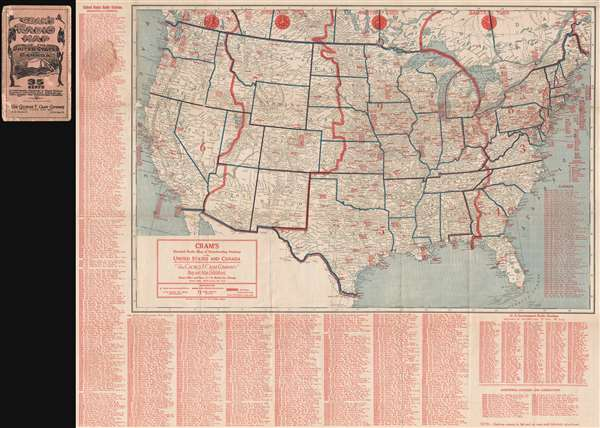
This 1924 map displays the geographic spread of North American broadcasting stations, illustrating radio’s rapid expansion as a national medium. While station call signs and Canadian coverage exceed AP requirements, the map visually demonstrates how radio networks enabled shared listening experiences across vast distances. Source.
Between these perspectives, radio and cinema undeniably shifted how Americans understood themselves and one another—balancing cultural convergence with heightened awareness of distinct regional and ethnic experiences.
Lasting Influence on American Society
The shared national culture fostered by radio and cinema in the 1920s helped define modern American identity. These media reshaped leisure time, political communication, celebrity culture, and national awareness of cultural diversity, establishing patterns that continue to influence American life.
Practice Questions
(1–3 marks)
Explain one way in which radio contributed to the development of a shared national culture in the United States during the 1920s.
Question 1 (1–3 marks)
Award up to 3 marks.
• 1 mark for a basic statement identifying a contribution of radio (e.g., “Radio spread the same programmes across the country”).
• 2 marks for a more developed explanation showing how radio unified audiences (e.g., mention of national broadcasting networks, shared listening experiences, or simultaneous nationwide programmes).
• 3 marks for a clear, specific explanation linking radio to the creation of a shared national culture (e.g., describing how NBC/CBS networks broadcast music, news, or entertainment that reached rural and urban Americans alike, reducing regional isolation).
(4–6 marks)
Analyse how both radio and cinema reshaped American cultural identity in the 1920s. In your answer, consider how these media influenced national unity as well as awareness of regional or ethnic traditions.
Question 2 (4–6 marks)
Award up to 6 marks.
• 1–2 marks for a basic description of how radio and/or cinema influenced American culture, even if unevenly developed.
• 3–4 marks for a structured analysis addressing both media, showing how they supported national unity (e.g., shared broadcasts, widespread film distribution, movie stars as national icons).
• 5 marks for analysis that additionally considers regional or ethnic influences and how mass media brought these to national audiences (e.g., jazz broadcasts, diverse film settings).
• 6 marks for a well-supported, balanced argument evaluating how radio and cinema redefined American cultural identity, including national homogenisation alongside increased visibility of regional and minority cultural expressions.
FAQ
Networks typically selected programmes based on audience research, sponsor preferences, and the need to appeal to a broad, geographically diverse listenership.
They favoured formats that translated well across regions, including variety shows, musical performances, comedy hours, and live sporting events.
Regional shows that gained strong popularity were often tested on local affiliates before being promoted to national scheduling.
Filmgoing required little English proficiency, allowing immigrants to engage with entertainment on equal footing with native-born audiences.
Movie palaces also functioned as accessible public spaces where newcomers could participate in modern urban culture.
Silent film stars became global icons, helping immigrants connect with emerging American cultural norms while maintaining their own traditions.
Radio enabled politicians and public figures to speak directly to millions, bypassing newspapers and local intermediaries.
This shift enhanced the emotional immediacy of political messaging and allowed national leaders to cultivate a more personal connection with citizens.
However, most political broadcasting remained limited due to concerns about partisan use of the airwaves and commercial control of stations.
Studios operated under a vertically integrated system in which they managed production, distribution, and, in many cases, theatre ownership.
This allowed them to standardise release schedules, coordinate national advertising, and maintain tight control over which films appeared in which markets.
Block booking practices further ensured theatres screened studio-selected content, contributing to uniform cultural exposure nationwide.
Early transmitters and microphones favoured certain sounds, encouraging broadcasters to rely on clear speaking voices, orchestral music, and studio-based performances.
Because live broadcasting dominated, programmes were structured around tight scheduling and minimal technical risk.
As equipment improved, stations gradually expanded their formats to include remote broadcasts, audience participation shows, and more dynamic soundscapes.