
Perspective: core idea
· Psychology = rigorous and systematic study of behaviour.
· Perspective means a theoretical lens/approach used to interpret behaviour, based on assumptions about what causes behaviour and how it should be studied.
· IB Psychology requires a multi-perspective understanding because human behaviour is complex: humans have self-awareness, advanced cognitive abilities, complex social structures, and cultures.
· Key exam message: No single perspective explains behaviour sufficiently on its own.
· Strong answers compare how biological, cognitive, and sociocultural factors each contribute to explaining the same behaviour.
· Use perspective to show alternative explanations, avoid one-sided reductionism, and evaluate the strengths and limitations of each approach.
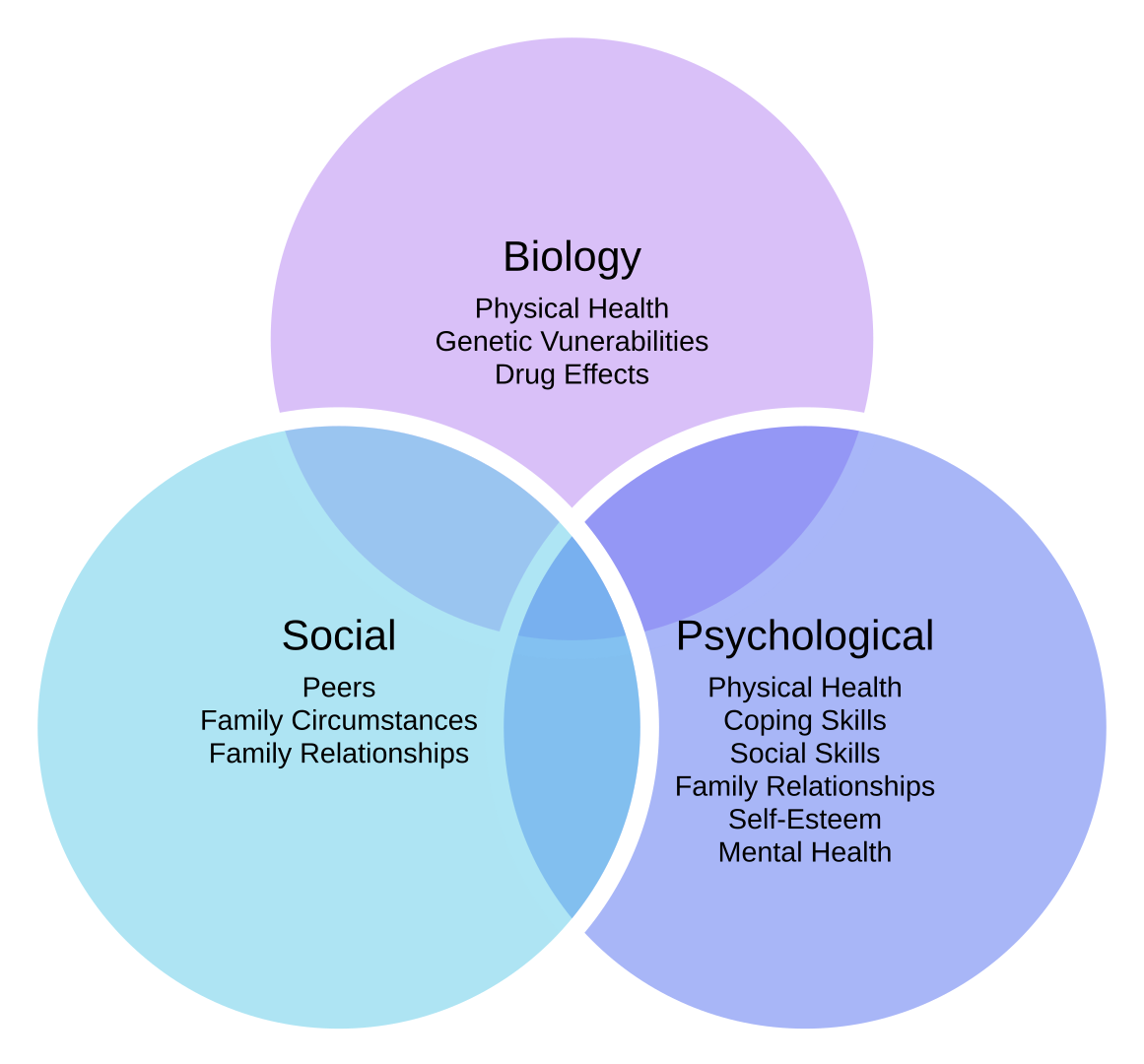
This diagram is useful for showing why a single perspective is usually incomplete. It visually represents how biological, psychological/cognitive, and social factors can overlap when explaining behaviour. Use it to support exam evaluation of holistic, multi-perspective explanations. Source
The three IB approaches as perspectives
· Biological approach: explains behaviour through genes, brain structures, neurotransmission, chemical messengers, hormones, neuroplasticity, and other biological mechanisms.
· Cognitive approach: explains behaviour through mental processes such as memory, attention, thinking, decision-making, schemas, and cognitive biases.
· Sociocultural approach: explains behaviour through culture, social identity, social learning, conformity, enculturation, acculturation, and social/cultural norms.
· In essays, show how perspectives can overlap and interact rather than treating them as completely separate.
· High-level phrasing: “A biological explanation may identify a mechanism, while cognitive and sociocultural perspectives add how the behaviour is interpreted, learned, maintained, or shaped by context.”
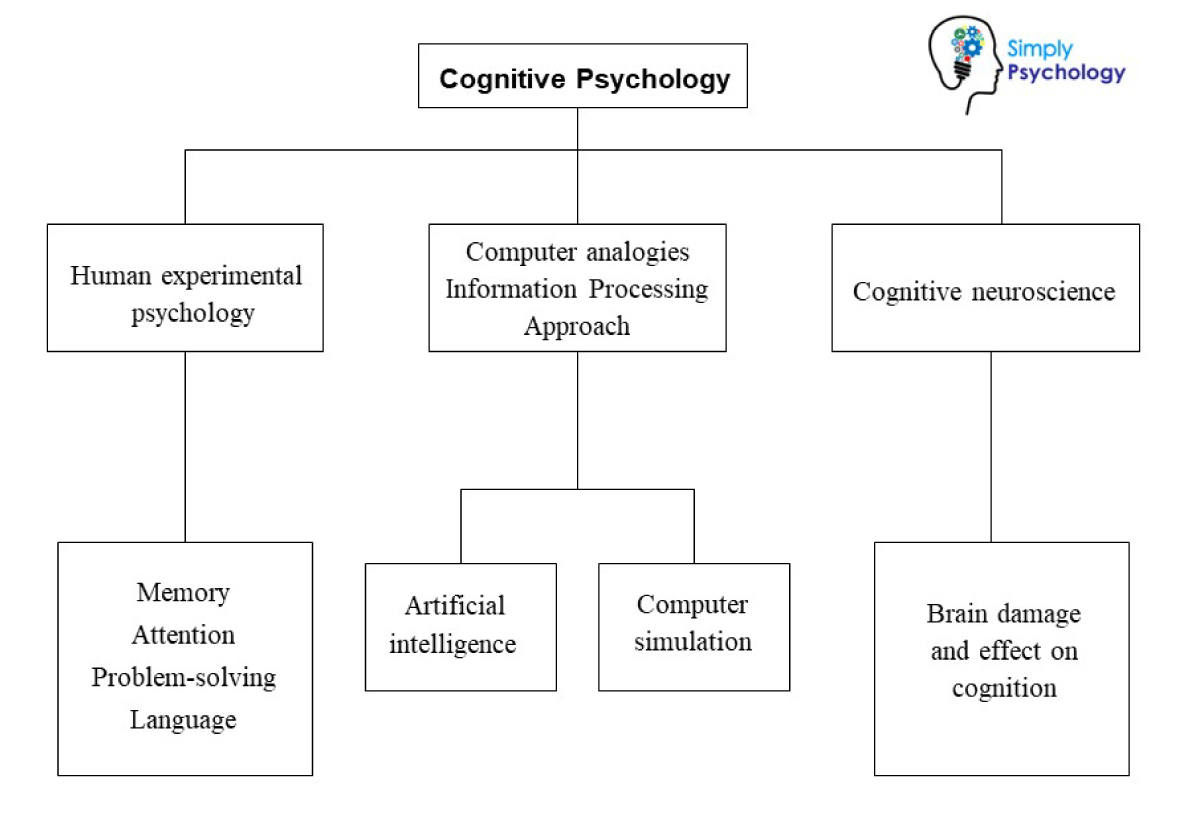
This visual resource supports the idea that perspectives are different explanatory frameworks. It is useful for reminding students that each approach has different assumptions and research priorities. Source
Assumptions behind a perspective
· Each approach/perspective is built on assumptions about human behaviour and beliefs about valid research methods.
· The biological perspective often assumes behaviour can be explained through physiological processes and may risk biological reductionism.
· The cognitive perspective assumes internal mental processes can be inferred and modelled, often using cognitive models.
· The sociocultural perspective assumes behaviour is shaped by social interaction, culture, and group membership.
· Exam tip: always link the perspective to the assumption, the evidence/research method, and the interpretation of behaviour.
Emic and etic perspectives
· Etic perspective = an outsider, culture-general, or comparative approach; useful for identifying similarities across cultures.
· Emic perspective = an insider, culture-specific, contextual approach; useful for understanding behaviour within a particular cultural setting.
· The sociocultural approach may use both etic and emic methodology.
· Etic strength: allows cross-cultural comparison and possible generalization.
· Etic limitation: may create imposed etic bias if researchers apply one culture’s findings to another without justification.
· Emic strength: produces rich, culturally sensitive understanding.
· Emic limitation: may have lower generalizability beyond the cultural group studied.
· Strong exam phrase: “A balanced sociocultural explanation may combine etic comparison with emic sensitivity to avoid ethnocentric conclusions.”
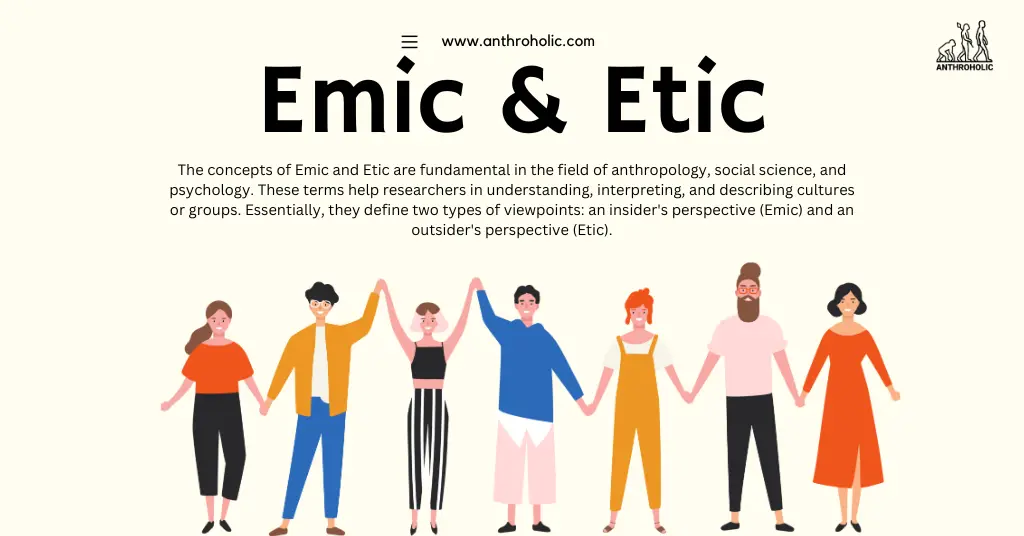
This image supports the distinction between insider and outsider perspectives in cultural research. It is useful for remembering why emic and etic approaches lead to different interpretations of the same behaviour. Use it when evaluating cultural validity and generalizability. Source
Indigenous perspectives and cultural sensitivity
· Indigenous perspectives remind psychologists that behaviour may be understood through local knowledge systems, histories, values, and community contexts.
· Avoid assuming that Western psychological models apply universally.
· Link to emic approaches: understanding behaviour from within a cultural framework can improve validity and reduce cultural bias.
· Link to responsibility: psychologists should avoid harmful generalizations, stigma, and misuse of research findings.
· Exam use: mention Indigenous perspectives when evaluating whether a theory or study has cultural validity.
Deductive and inductive methodology
· Deductive research: starts with a theory/model, then tests predictions using data.
· Inductive research: starts with observations/data, then builds patterns, explanations, or theory.
· Biological and cognitive research often uses more deductive, hypothesis-testing methods, such as experiments or brain imaging studies.
· Sociocultural and qualitative research may use more inductive methods, such as interviews, observations, or thematic analysis.
· Exam tip: connect methodology to perspective by explaining how the chosen method shapes what psychologists can see, measure, and conclude.
Alternative explanations and interpretations
· The same behaviour can be explained differently depending on the perspective.
· Example structure: Biological = mechanism; Cognitive = mental process; Sociocultural = social/cultural context.
· Good evaluation considers whether one explanation is too reductionist or whether a holistic explanation is stronger.
· Use phrases such as “from a biological perspective…”, “a cognitive interpretation would suggest…”, and “a sociocultural explanation would emphasize…”.
· High-scoring essays explicitly compare explanations rather than simply listing them.
Reductionism vs holism
· Reductionism = explaining behaviour through one narrow factor, such as genes, neurotransmitters, schemas, or cultural norms.
· Holism = explaining behaviour through the interaction of multiple factors and contexts.
· Reductionist explanations can be clear, testable, and scientific, but may oversimplify complex behaviour.
· Holistic explanations are often more realistic but can be harder to test because many variables interact.
· Exam evaluation: “This explanation has value, but it may be limited because behaviour is likely shaped by interacting biological, cognitive, and sociocultural influences.”
How to use perspective in exam answers
· Define the perspective briefly and link it to the behaviour in the question.
· Use one or more studies/theories to show how the perspective explains behaviour.
· Explain the assumptions behind the perspective.
· Evaluate using strengths, limitations, research methods, cultural validity, and alternative explanations.
· Add a clear judgement: is the perspective useful, limited, or strongest when combined with another perspective?
Checklist: can you do this?
· Explain why no single perspective fully explains behaviour.
· Apply biological, cognitive, and sociocultural perspectives to the same behaviour.
· Distinguish between emic and etic approaches in cultural research.
· Evaluate whether an explanation is reductionist or holistic.
· Use perspective to generate alternative explanations and interpretations in essays.
Quick exam sentence starters
· “From a biological perspective, this behaviour may be explained through…”
· “A cognitive interpretation would focus on…”
· “The sociocultural approach adds that behaviour is shaped by…”
· “However, this explanation may be reductionist because…”
· “A more holistic explanation would consider the interaction between…”
· “An emic perspective would improve cultural validity by…”
· “An etic approach may be useful for comparison, but it risks…”