

AP Syllabus focus:
‘Early successional (pioneer) species colonize unoccupied habitats and may adapt over time to new conditions, sometimes contributing to new species.’
Early succession begins when life first establishes in a newly available or reset area. Pioneer species arrive, survive harsh conditions, and alter the environment in ways that can enable additional species to establish over time.
What “pioneer” means in early succession
Pioneer species: early-arriving organisms that colonize unoccupied habitats and can reproduce under stressful, resource-poor conditions, often initiating environmental changes that make the site more habitable.
Pioneer species are not “better” competitors; they are typically better colonizers. Early succession is shaped by which species can get there, tolerate the conditions, and leave behind viable offspring.
Conditions pioneers commonly face
Unoccupied habitats often have one or more constraints that limit most organisms:
Low nutrients (little organic matter; weak soil development)
High physical stress (intense sunlight, temperature swings, wind exposure)
Low water retention (coarse substrates; minimal humus)
Few refuges from predation or desiccation (little structural cover)
Unstable surfaces (erosion, shifting sediment, bare rock)
Key characteristics of early successional species
Early successional (pioneer) species tend to share functional traits that increase the odds of establishing first.
Traits that promote rapid colonization
High dispersal ability (light seeds, spores; wind/water transport; animal hitchhiking)
Fast growth and early reproduction (short generation times)
High reproductive output (many seeds/spores; rapid population increase)
Broad tolerance ranges for temperature, moisture, and light (survive variable microclimates)
Low resource requirements (can persist with limited nitrogen or phosphorus)
Because early sites are patchy and unpredictable, pioneers often succeed by “arrive fast and reproduce,” rather than by long-term competitive dominance.
Common examples (by functional role)
Examples vary by biome, but frequent pioneer types include:
Lichens and mosses that adhere to bare surfaces and trap dust and moisture
Grasses and herbaceous annuals that quickly cover open ground and reduce erosion
Nitrogen-fixing plants (often with symbiotic microbes) that increase soil nitrogen availability
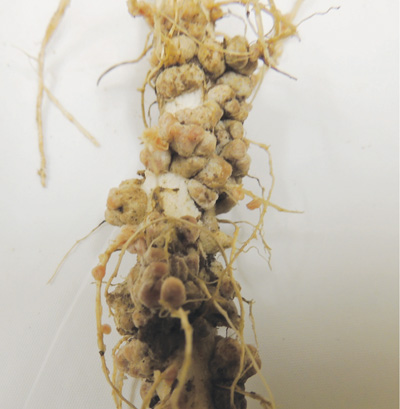
A legume root system with multiple nodules attached, the specialized structures that house nitrogen-fixing rhizobia. Nodulation is a key mechanism by which early successional plants can increase ecosystem nitrogen inputs, helping relieve nitrogen limitation and accelerating later community establishment. Source
Shrubs or “nurse plants” that provide shade and shelter, improving seedling survival beneath them
How pioneers change the environment (and why it matters)
A central idea of early succession is that pioneers do not merely occupy space—they often modify habitat conditions, changing which species can survive next.
Soil development and nutrient buildup
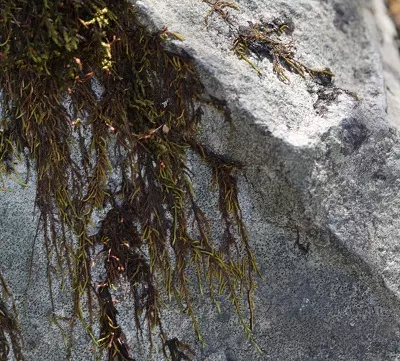
Moss growing directly on exposed rock at a glacier forefield, illustrating a classic pioneer-stage colonizer in primary succession. By trapping moisture and particles and contributing organic matter as it grows and dies, pioneer cover helps convert sterile substrate into the first thin, biologically active soil. Source
Pioneers can accelerate the transition from sterile substrate to biologically active soil by:
Adding organic matter via dead biomass and root turnover
Increasing microbial activity (decomposers, mutualists)
Enhancing nutrient retention as humus accumulates and binds nutrients
Reducing erosion with roots and surface cover, helping fine particles and nutrients remain on-site
These changes can raise the availability of limiting nutrients, especially nitrogen, which frequently constrains early plant growth.
Microclimate and habitat structure
Pioneer cover can shift local conditions in ways that improve survival for later arrivals:
Shade lowers soil surface temperatures and reduces evaporation
Wind buffering reduces physical stress and water loss
Moisture retention improves as litter and organic matter accumulate
Structural habitat increases, supporting insects and other organisms that can further alter soils and plant reproduction (e.g., pollination, seed dispersal)
Facilitation as a pathway in early succession
Facilitation: a process in which early-arriving species increase the survival, growth, or reproduction of other species by improving environmental conditions (e.g., soil fertility, shade, moisture).
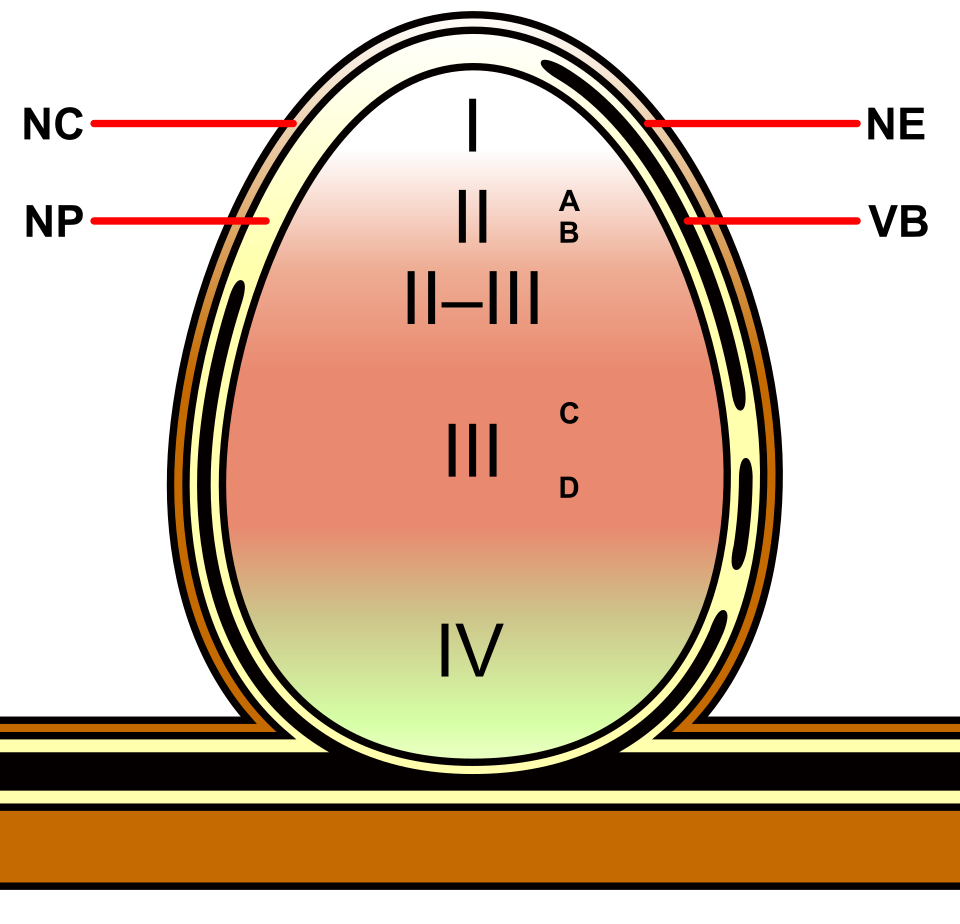
Labeled cross-sectional diagram of an indeterminate root nodule, showing distinct regions for bacterial infection, development, active nitrogen fixation, and senescence. This structure helps explain how symbiotic nitrogen fixation is spatially organized in plant tissues and why nodulated pioneers can facilitate succession by enriching soil nitrogen over time. Source
Not all early succession is facilitation; in some cases pioneers can also hinder later species (for example, by monopolizing light or water). However, facilitation is a common explanation for why pioneer species can be pivotal in making an unoccupied habitat more hospitable.
Adaptation during early succession
The syllabus emphasis includes that pioneer species “may adapt over time to new conditions.” Early successional environments can impose strong selection pressures because conditions are extreme, novel, or highly variable.
Why selection can be strong in pioneer settings
Individuals that tolerate drought, salinity, temperature extremes, or poor nutrients are more likely to reproduce.
Short-lived pioneers with fast reproduction can show rapid evolutionary responses across generations.
Founder events can produce small initial populations, making genetic drift and selection especially influential.
What “adaptation over time” can look like
Within pioneer populations, natural selection may favor:
Greater stress tolerance (e.g., waxier leaves, deeper roots, improved water-use efficiency)
Improved nutrient acquisition (root architecture changes; stronger mutualisms)
Shifts in timing of reproduction to match short favourable windows
Altered dispersal traits if local conditions reward staying vs spreading
When adaptation can contribute to new species
The syllabus also notes pioneers can “sometimes” contribute to new species. Speciation becomes more likely when:
Populations are isolated (geographically separated patches; limited gene flow)
The new habitat creates distinct selection pressures compared with the source population
Reproductive barriers accumulate over time (differences in flowering time, pollinators, or mating signals)
This is most plausible when pioneer lineages repeatedly colonize challenging habitats and persist long enough for genetic differences to build, especially in fragmented or remote environments.
Why pioneers matter for environmental science
Understanding pioneer species helps explain:
How ecosystems initiate recovery when areas become newly available for colonization
Why early colonizers can set trajectories for later community development through soil building and habitat modification
How biodiversity can originate and change when organisms adapt to novel early-successional conditions
Practice Questions
State two characteristics that commonly help pioneer species colonise unoccupied habitats. (2 marks)
Any two valid characteristics (1 mark each), e.g. high dispersal ability; rapid growth; early reproduction; high reproductive output; broad tolerance to harsh conditions; low nutrient requirements.
Explain how pioneer species can both (i) modify an unoccupied habitat and (ii) potentially contribute to the formation of new species over time. (6 marks)
Describes habitat modification via organic matter inputs/litter increasing soil development (1)
Describes increased nutrient availability/retention, e.g. nitrogen fixation or enhanced decomposition (1)
Describes microclimate changes such as shading, moisture retention, or reduced wind/temperature extremes (1)
Links these changes to improved establishment/survival of additional species (facilitation) (1)
Explains adaptation via natural selection in harsh/novel conditions leading to trait changes over generations (1)
Explains how isolation plus divergent selection can reduce gene flow and lead to reproductive isolation/speciation (1)
FAQ
Lichens can physically and chemically weather rock.
Physically: hyphae penetrate tiny cracks and expand/contract with wetting and drying, widening fractures.
Chemically: some produce organic acids that dissolve minerals, releasing ions that can be incorporated into developing soils.
These processes generate fine particles that mix with trapped dust and dead biomass, accelerating early substrate development.
Microbes can establish extremely early and influence which pioneers succeed.
They can:
Form biological crusts that stabilise surfaces and reduce erosion.
Begin nutrient cycling by decomposing scarce organic inputs.
Create mutualisms (e.g., root-associated bacteria/fungi) that improve nutrient and water uptake.
Because microbes respond quickly, they can strongly shape early successional trajectories even when plant cover is sparse.
Seed-heavy strategies help reach distant patches and exploit brief establishment windows.
Clonal spread (rhizomes, runners) can be favoured when:
Local conditions are suitable but patchy, so expanding from a successful foothold is safer than relying on seedlings.
Disturbance is frequent, making rapid regrowth from surviving tissues advantageous.
Both strategies can be successful “first mover” approaches depending on stress and disturbance patterns.
Nurse plants can create favourable microsites under their canopy.
They may:
Reduce solar radiation and leaf temperatures.
Increase soil moisture by lowering evaporation and trapping litter.
Improve soil structure and nutrient availability beneath them.
These effects can raise seedling survival dramatically, especially where heat and drought are the main early-successional filters.
Persistence depends on whether the pioneer can compete under the new conditions it helped create.
Replacement is more likely when later conditions favour:
Shade tolerance over fast growth (as canopy cover increases).
Efficient nutrient competition rather than tolerance of nutrient scarcity.
Longer-lived life histories over rapid reproduction.
Some pioneers avoid replacement by occupying specialised microsites (e.g., very shallow soils) where later competitors perform poorly.

