AP Syllabus focus: ‘Song China’s economy became increasingly commercialized while still relying on free peasant and artisanal labor.’
Song China (c. 960–1279) saw expanding markets, widespread use of money, and growing cities.

Detail from the famous Northern Song handscroll Along the River During the Qingming Festival (attributed to Zhang Zeduan), depicting crowded streets, shops, and traffic around the capital region. The scene visually documents the scale of urban consumption and the market networks that tied producers, merchants, and customers together. It is especially useful for connecting “commercialization” to real, everyday economic exchange in Song cities. Source
This commercialization reshaped daily work and social relations, yet most production still depended on family farming and skilled urban crafts.
What “commercialization” meant in the Song context
Commercialization: The increasing production of goods for sale in markets, the wider use of money and credit, and the deeper integration of households and regions into exchange networks.
Commercialization did not mean the end of agriculture. Instead, many rural households balanced subsistence needs with market-oriented production, selling surplus grain, textiles, or specialty goods to obtain cash for taxes and purchases.
Key features of a more commercial economy
Monetisation: more transactions using coined money and cash payments rather than barter.

Song-dynasty cash coin (cast copper), shown as a cataloged museum object. The square hole and standardized form reflect how coinage was designed for practical circulation (including stringing coins), supporting routine market exchange. Using a real artifact helps students link “monetisation” to the physical infrastructure of commerce. Source
Market integration: rural producers selling into local and regional markets, linking villages to towns.
Urban demand: growing cities created steady demand for food, fuel, cloth, and services.
Specialisation: some regions and households focused on particular goods suited to market sale.
Labor foundations: free peasants and artisans
Free peasant labour in the countryside
Song economic life rested heavily on free peasant households working their own or rented plots. Peasants were not typically enslaved or bound to land in a European-style serf system; many had legal personhood and could, in practice, make production decisions.
Peasant work patterns increasingly reflected market signals:
Planting decisions could respond to prices and urban demand, not only household consumption.
Families often combined farming with sideline production (such as spinning or food processing) to generate cash.
Participation in markets supported tax payment in cash where applicable and the purchase of tools, cloth, and salt.
Artisanal labour in towns and cities
Song cities supported large numbers of artisans producing goods for everyday consumption and for sale. Artisans were generally free workers, organised through households, workshops, or informal associations rather than coerced labour systems.
Common characteristics of artisanal work under commercialization:
Workshop production increased to meet predictable market demand.
Skill and reputation mattered; quality could secure repeat customers and stable income.
Artisans relied on merchant intermediaries for distribution, finance, and access to wider markets.
How commercialization reshaped social and economic relationships
Expanding markets and the rise of merchants (within limits)
Commercial growth increased the visibility and wealth of merchants and shopkeepers. However, Song society remained influenced by Confucian social ideals that often ranked merchants below farmers and scholars, even when merchants held significant economic power.
Commercialization encouraged:
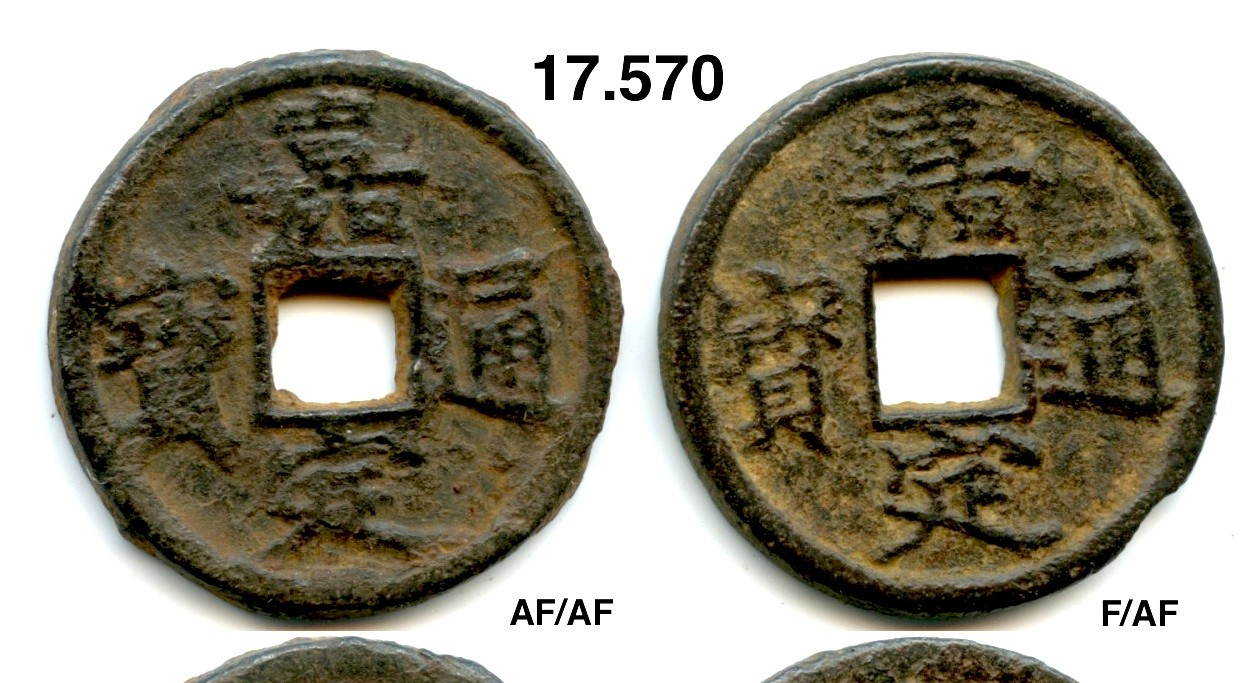
A curated set of photographs of Song iron cash coins, presenting multiple issues and inscriptions in a consistent, study-friendly format. Comparing coins side-by-side highlights both standardization (helpful for exchange) and variation across mints or reigns (useful for discussing scale and administration). This works well as a visual anchor for how currency underpinned expanding markets and credit relations. Source
More wage-like relationships in some settings (short-term hired labour in workshops, transport, or construction).
Greater dependence on prices and credit, tying household stability to market fluctuations.
A more complex web of middlemen connecting producers and consumers.
Household strategies and labour allocation
Because most labour was still organised through families, commercialization changed how families used labour:
Some households shifted time from fieldwork to marketable sideline crafts.
Rural-urban links strengthened as families sold goods in town markets or sent members to earn cash.
Greater cash circulation could widen inequality between households with strong market access and those without.
What stayed consistent despite commercialization
Even with thriving markets, Song economic expansion remained grounded in:
Free peasant agriculture as the dominant livelihood for most people.
Artisanal production as a key urban labour base.
Predominantly non-coerced labour for routine production, with commercialization building on (rather than replacing) these foundations.
Practice Questions
Identify one way the Song economy became increasingly commercialised. (2 marks)
1 mark: States a valid feature of commercialisation (e.g., increased use of money/cash, expansion of markets, growth of urban trade).
1 mark: Links that feature to increased buying/selling or market exchange in Song China.
Explain how Song China could become more commercialised while still relying on free peasant and artisanal labour. (5 marks)
1 mark: Describes commercialisation as increased market exchange/monetisation.
1 mark: Explains that most production remained based on free peasant household farming.
1 mark: Explains that artisans remained key urban producers organised in workshops/households.
1 mark: Shows how peasants/artisans participated in markets (selling surplus, producing for urban demand, using cash).
1 mark: Demonstrates a clear linkage between expanding demand/markets and continued reliance on these labour forms.
FAQ
It could tax exchange and monetised activity rather than managing farms or workshops.
Common approaches included:
levies on certain commodities
fees tied to market activity
state oversight of selected high-revenue goods
Commercialisation encouraged borrowing and deferred payment.
Arrangements could include:
merchant advances to producers
short-term loans for inventory
promissory agreements between trading partners
Often, yes, by increasing the economic importance of home-based production.
In some areas, women’s labour in textile-related tasks could become more oriented to sale, affecting:
household time allocation
dependence on market prices
bargaining power within families
Through layered distribution chains rather than direct sales in many cases.
Typical steps:
village-level buying
transport to town markets
wholesale redistribution to urban retailers
Cultural ideals could value moral governance and farming over profit-seeking exchange.
This created a tension between:
economic influence (capital, networks)
social ranking (elite values and status norms)