

IB Syllabus focus: 'The gut microbiome influences health and performance. Genetics, diet, medications and lifestyle affect the microbiome, which influences nutrient availability and uptake.'
The gut microbiome is a dynamic community of microorganisms in the gastrointestinal tract. For athletes, it matters because changes in this community can alter digestion, nutrient absorption, recovery, and overall readiness to train and compete.
The gut microbiome and why it matters
The gut microbiome includes bacteria, fungi, viruses, and other microorganisms living mainly in the large intestine.
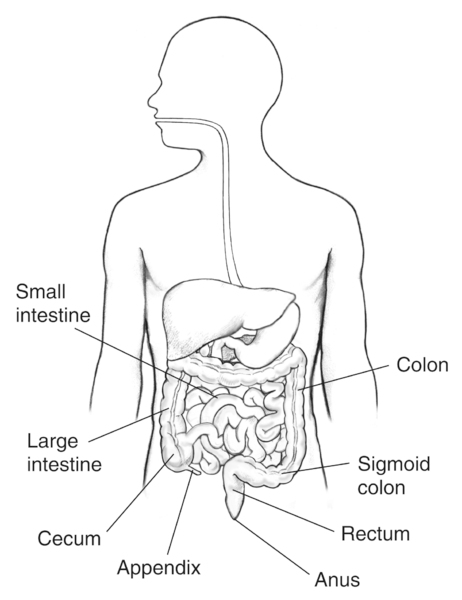
Labeled diagram of the gastrointestinal tract highlighting the large intestine (colon) and related structures. This helps connect “where the microbiome lives” to the anatomical site most responsible for microbial fermentation and water/electrolyte handling. Source
These microorganisms are not simply passengers. They interact continuously with food, the gut lining, and the body’s internal environment. As a result, they can affect both general health and sporting performance.
Gut microbiome: The community of microorganisms in the gastrointestinal tract and the environment they create through their combined activity.
A healthy microbiome is usually described by its diversity, stability, and ability to support normal gut function. There is no single “perfect” microbiome for all people. Each person has a slightly different microbial profile, and that profile can change over time.
This matters in sport because athletes rely on efficient digestion and absorption to meet the repeated demands of training, recovery, and competition. If the microbiome is functioning well, the body is more likely to access nutrients effectively and maintain better gastrointestinal comfort.
Factors that shape the gut microbiome
The microbiome is influenced by both non-modifiable and modifiable factors. IB SEHS emphasizes four major influences: genetics, diet, medications, and lifestyle.
Genetics
Genetics helps set the baseline conditions in the gut. Inherited differences can affect:
digestive secretions
the amount and type of mucus in the intestine
immune activity in the gut wall
the overall environment in which microorganisms live
Genetics does not completely determine the microbiome, but it can make some microbial patterns more likely than others.
Diet
Diet is one of the strongest modifiable influences. What a person eats determines which microorganisms are regularly supplied with fuel.
Diets rich in fiber and a wide variety of plant foods tend to support greater microbial diversity.
Microorganisms use these food components as substrates, especially when the human body cannot fully digest them on its own.
Long-term diets with limited variety may reduce the range of microbes present.
Dietary change can also act quickly. A sudden shift in food intake, especially before competition or during travel, can alter gut function and food tolerance.
Medications
Some medications can disturb the balance of the microbiome. Antibiotics are the clearest example because they can reduce both harmful and beneficial bacteria. This may temporarily reduce microbial diversity and alter normal gut function.
Other medications may also change the gut environment, which can influence which microorganisms thrive and which decline. For athletes, this matters because altered gut function may interfere with consistent nutrition intake.
Lifestyle
Lifestyle also affects the microbiome. Important influences include:
sleep habits
psychological stress
travel and routine disruption
smoking and alcohol use
habitual physical activity levels
Regular exercise is often associated with a more favorable microbiome, but very demanding training periods can also stress the gut. This shows that the relationship between exercise and gut health is complex rather than automatically positive.
Microbiome, nutrient availability, and uptake
The microbiome affects nutrient availability by helping break down food components that the body alone cannot fully process. A key example is the fermentation of certain carbohydrates, especially fiber. This produces metabolites such as short-chain fatty acids, which can support the cells lining the intestine and help maintain a healthy gut environment.
Some gut microorganisms can also contribute to the production of certain vitamins, increasing the pool of nutrients available in the body. In addition, microbial activity can influence how effectively nutrients are released from food during digestion.
The microbiome also affects nutrient uptake, meaning how well nutrients pass from the gut into the body. This occurs partly through its effects on the intestinal lining.
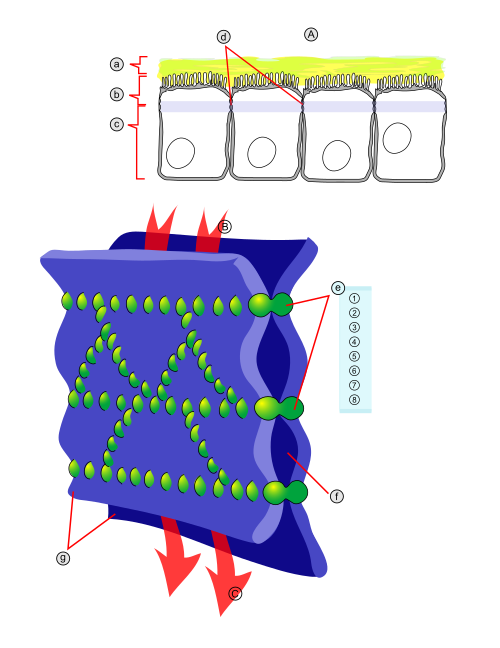
Schematic of epithelial tight junction structure (e.g., claudins/occludin/ZO proteins) and the paracellular space between adjacent cells. It visually explains how the gut barrier can regulate what passes between cells, supporting the idea that barrier disruption can reduce absorption efficiency and increase gastrointestinal symptoms. Source
When the gut barrier is functioning well, digestion and absorption are generally more efficient. When the gut environment is disturbed, absorption may become less effective and gastrointestinal symptoms may increase.
Dysbiosis: A disruption in the normal balance of the gut microbiome that may impair gut function and reduce health.
Dysbiosis may be associated with symptoms such as bloating, cramping, diarrhea, or altered bowel habits. These issues can reduce appetite, interfere with eating plans, and lower the body’s ability to make full use of ingested nutrients.
Effects on health and performance
The microbiome influences health first. If nutrient availability and uptake are reduced, the body may struggle to maintain normal physiological function. Poor gut health can also increase discomfort and make day-to-day eating less effective.
Performance effects are often indirect but important. An athlete with good gut function is more likely to tolerate food intake consistently, absorb nutrients effectively, maintain better nutritional support for training, and recover more reliably between sessions.
By contrast, an athlete with dysbiosis or frequent gastrointestinal symptoms may have difficulty meeting nutritional needs. This can reduce training quality, increase interruptions to practice, and limit adaptation over time.
Athletic context
Athletes may notice microbiome-related issues more quickly than less active people because training often requires high food intake, predictable meal timing, and good tolerance of unfamiliar foods during travel or competition. Even a mild disturbance in gut function can reduce the quality of nutrition consumed across a week of training.
This is why the microbiome is relevant to performance science. It does not replace factors such as training or skill, but it can influence how effectively an athlete uses available nutrients. In IB SEHS, the key relationship is that genetics, diet, medications, and lifestyle alter the microbiome, and the microbiome then affects nutrient availability, nutrient uptake, health, and performance.
Practice Questions
State two factors that can affect the gut microbiome. [2]
1 mark for each correct factor stated, up to 2 marks.
Accept any two of:
genetics
diet
medications
lifestyle
Explain how the gut microbiome can influence nutrient availability and uptake, and discuss one way this may affect sporting performance. [6]
1 mark for identifying that the gut microbiome is a community of microorganisms in the gastrointestinal tract.
1 mark for explaining that microorganisms help break down food components, especially fiber or other less digestible substances.
1 mark for explaining that this increases nutrient availability through production of useful metabolites or some nutrient synthesis.
1 mark for explaining that the microbiome affects the gut lining or gut environment, influencing nutrient uptake.
1 mark for explaining that dysbiosis can reduce absorption efficiency or increase gastrointestinal symptoms.
1 mark for linking this to performance, such as reduced ability to meet nutritional needs, lower training quality, poorer recovery, or less consistent performance.
FAQ
Probiotics are live microorganisms consumed in adequate amounts.
Prebiotics are food components, usually certain fibers, that feed beneficial microbes.
Synbiotics combine both in one product or eating approach.
They are not interchangeable. A product can contain live bacteria without providing the best fuel for them, while a high-prebiotic diet may support existing microbes without adding new ones.
Microbial activity can shift within a day or two after a major change in food intake, especially if fiber intake or food variety changes sharply.
More stable changes in microbial composition usually take longer, often days to weeks. This means consistent habits usually matter more than one unusually “healthy” meal.
Not always. Some research suggests endurance athletes may show greater microbial diversity and more bacteria linked to carbohydrate fermentation.
However, training type is only one influence. Differences in diet, supplement use, body composition, travel, and training volume can also shape the microbiome, so patterns are not identical in all athletes.
They can be interesting, but they have clear limits.
Results may differ between companies.
Reference ranges are still developing.
A single sample may not reflect normal day-to-day variation.
For athletes, these tests should be used cautiously. They are not a standalone guide for nutrition or performance decisions.
No. Their effects are strain-specific, dose-specific, and goal-specific.
A probiotic that may help after antibiotics is not automatically useful for endurance, recovery, or gastrointestinal comfort in competition. Some athletes experience no measurable benefit, so evidence should be checked for the exact strain rather than for the general term “probiotic.”
