IB Syllabus focus: 'Change can be gradual or sudden, planned through adaptation, or unplanned through biological changes in body or mind.'
Psychologists study change because behavior is not fixed. Thoughts, emotions, and actions may shift slowly or rapidly, with intention or without it, depending on life demands, development, and biological processes.
Understanding change in psychology
In psychology, change refers to an alteration in behavior, cognition, emotion, or mental functioning over time. The syllabus highlights two important distinctions:
Gradual versus sudden change
Planned versus unplanned change
These distinctions matter because the speed of change and the degree of control a person has over it can shape how psychologists explain behavior.
Planned change usually involves active adjustment to a goal, challenge, or new environment. This often happens through adaptation.
Adaptation: Adjustment in thoughts, emotions, or behavior in response to changing internal or external demands.
Unplanned change, by contrast, may happen without intention. It can result from biological changes in the body or mind, such as maturation, illness, injury, or hormonal shifts.
Gradual and sudden change
Gradual change
Gradual change develops over an extended period. It may be so slow that people do not notice it immediately. In psychology, many long-term shifts are gradual because they depend on repeated experience, learning, or development.
Examples of gradual change include:
increasing confidence after repeated success
changing attitudes through ongoing social influence
developing coping skills over time
age-related cognitive change across adulthood
Gradual change is important because it suggests that behavior is often dynamic and cumulative. Small experiences can build into significant psychological differences. A student who slowly becomes more organized, for example, may not experience one dramatic turning point; instead, many small adjustments produce a visible change later.
Gradual change can also be difficult to identify accurately. People may confuse slow change with stability simply because there is no single clear moment when the change began.
Sudden change
Sudden change happens quickly, sometimes in response to a major event or rapid internal shift. It may appear as an abrupt difference in mood, behavior, or functioning.
Examples include:
an immediate emotional response after a traumatic event
a sharp change in behavior after receiving major news
rapid mental changes following neurological injury
sudden onset of symptoms linked to biological disturbance
Sudden change does not always mean the cause was simple. A rapid shift may be the final visible result of pressures that have been building for a long time. In this sense, the experience of change can feel sudden even if the background conditions developed gradually.
Planned change through adaptation
Planned change is usually goal-directed. The person, or sometimes a group, intentionally tries to modify behavior or thinking in order to adjust better to circumstances.
This may involve:
learning new routines
changing study habits
improving emotional regulation
adjusting to relocation, school transitions, or new social roles
Adaptation is central here because planned change often requires a person to respond flexibly to a new demand. The individual is not just changing randomly; the change serves a purpose.
Planned change often has several features:
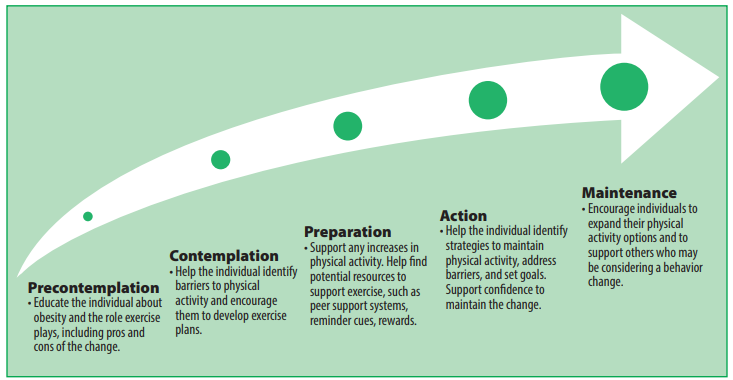
This diagram summarizes the Transtheoretical Model (Stages of Change), showing how intentional behavior change typically progresses through precontemplation, contemplation, preparation, action, and maintenance. It supports the idea that planned change is usually goal-directed and structured, with different strategies becoming relevant at different stages. The curved arrow also emphasizes that change is a process occurring over time rather than a single event. Source
awareness that change is needed
motivation to change
strategies or actions to support change
monitoring progress over time
Not all planned change is fast. Much of it is gradual, because successful adaptation often depends on repetition, reflection, and feedback. For example, becoming more resilient after a stressful transition is usually not immediate. It tends to involve repeated efforts to think differently, behave differently, and manage emotions more effectively.
However, planned change can sometimes be sudden. A person may make a rapid decision to end a harmful behavior or adopt a new routine after a significant realization. The decision may be sudden even if maintaining the change requires long-term effort.
Unplanned change through biological changes in body or mind
Unplanned change emphasizes that not all psychological development is chosen. Some changes occur because of biological processes that influence the brain, body, or mental state.
Relevant biological sources of unplanned change include:
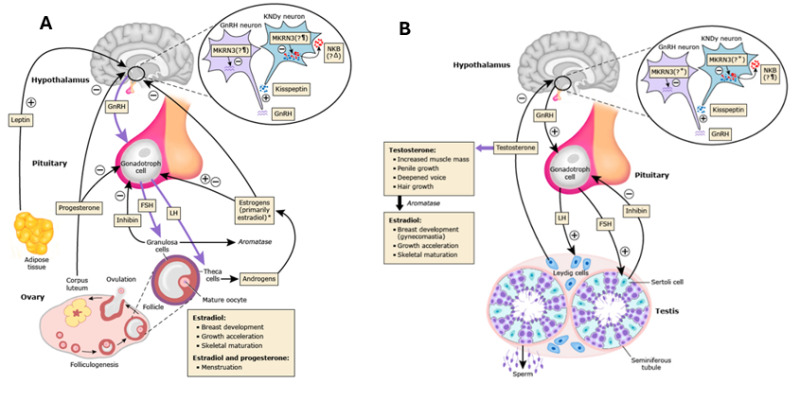
This diagram shows the hypothalamic–pituitary–gonadal (HPG) axis, the core hormonal control system that becomes more active during puberty. It illustrates how signals from the hypothalamus trigger pituitary hormones (LH and FSH), which then stimulate the gonads to produce sex steroids that influence body and brain development. In IB Psychology terms, it is a clear example of unplanned, biologically driven change that can alter mood, motivation, and social behavior. Source
puberty
aging
hormonal changes
illness
injury
neurological conditions
sleep disruption or substance effects
These processes can affect:
mood
memory
attention
impulse control
stress responses
social behavior
For example, developmental maturation can change emotional sensitivity or risk-taking tendencies without the individual deliberately trying to change. Similarly, a brain injury may alter personality, concentration, or emotional regulation in ways that are clearly unplanned.
This reminds psychologists that change is not always fully under personal control. Biological factors can create new constraints or capacities, which may then shape later behavior.
How the categories can combine
The four ideas in the syllabus are not separate boxes. They often overlap:
Gradual and planned: slowly building healthier routines
Gradual and unplanned: age-related cognitive or emotional change
Sudden and planned: making an immediate decision to change behavior
Sudden and unplanned: abrupt psychological effects after injury or shock
A useful way to analyze any example is to ask two questions:
How quickly did the change appear?
Was the change intentional or not?
This helps psychologists describe the pattern of change more precisely.
Why these distinctions matter
Recognizing different forms of change improves psychological explanation. If change is gradual, psychologists may focus on learning, development, or accumulated experience. If it is sudden, they may look for triggering events or rapid biological disruption. If it is planned, they may examine goals and adaptation. If it is unplanned, they may examine biological processes outside conscious control.
These distinctions also show that human behavior is flexible but constrained. People can intentionally adapt, but they are also affected by developmental and biological changes that may happen without choice.
Practice Questions
(2 marks)
State one difference between planned change and unplanned change in psychology.
1 mark for identifying that planned change is intentional, goal-directed, or involves deliberate adaptation.
1 mark for identifying that unplanned change occurs without intention, often due to biological changes in the body or mind.
(6 marks)
Explain how psychological change can be gradual or sudden, and planned or unplanned.
1 mark for explaining gradual change as occurring over time.
1 mark for explaining sudden change as occurring rapidly or appearing abruptly.
1 mark for explaining planned change as intentional or adaptive.
1 mark for explaining unplanned change as not deliberately chosen.
1 mark for using a relevant example of planned or gradual change.
1 mark for using a relevant example of sudden or unplanned biological change, or for clearly linking the type of change to behavior.
FAQ
Yes. A change may begin outside a person’s control and later lead to deliberate adaptation.
For example:
puberty may create new emotions or social pressures
a person may then intentionally develop coping strategies
illness may cause unplanned limitations, followed by planned rehabilitation
So the original cause can be unplanned, while later responses are planned.
Because awareness often lags behind the process.
A person may slowly change in:
stress level
self-esteem
habits
relationship patterns
The change builds over time, but it becomes noticeable only when it crosses a threshold. This can create the impression of a sudden shift even though the underlying process was gradual.
No. Some sudden changes are temporary, while others last much longer.
Duration depends on factors such as:
the cause of the change
whether biology is involved
social support
recovery processes
later adaptation
For example, a sudden emotional reaction may fade quickly, but a sudden change caused by brain injury may persist.
Puberty is a strong example of unplanned biological change affecting psychology.
It can influence:
mood variability
self-consciousness
social sensitivity
risk-taking
identity development
The person does not choose these biological changes, but they may need to adapt to their psychological effects. That makes puberty a useful case for linking biological and behavioral change.
Yes. Motivation alone is often not enough.
Planned change may fail because of:
unrealistic goals
inconsistent practice
stressful environments
lack of support
competing habits
biological limitations such as fatigue or illness
This shows that planned change is not purely a matter of willpower. Adaptation usually works better when goals, context, and resources support the change.