IB Syllabus focus: 'Environmental factors such as poverty, pollution and isolation can affect behaviour and may be investigated socioculturally.'
Environmental conditions do not simply surround people; they shape stress, opportunity, health, and social relationships. In the sociocultural approach, poverty, pollution, and isolation help explain why behavior differs across groups and settings.
Why environmental factors matter
In the sociocultural approach, behavior is influenced by the settings in which people live. Environmental factors include both physical conditions, such as air quality or noise, and social conditions, such as overcrowding, neighborhood safety, and access to support. These factors affect daily routines, emotional well-being, and the choices people feel able to make.
Many environmental influences act over long periods rather than in a single moment.
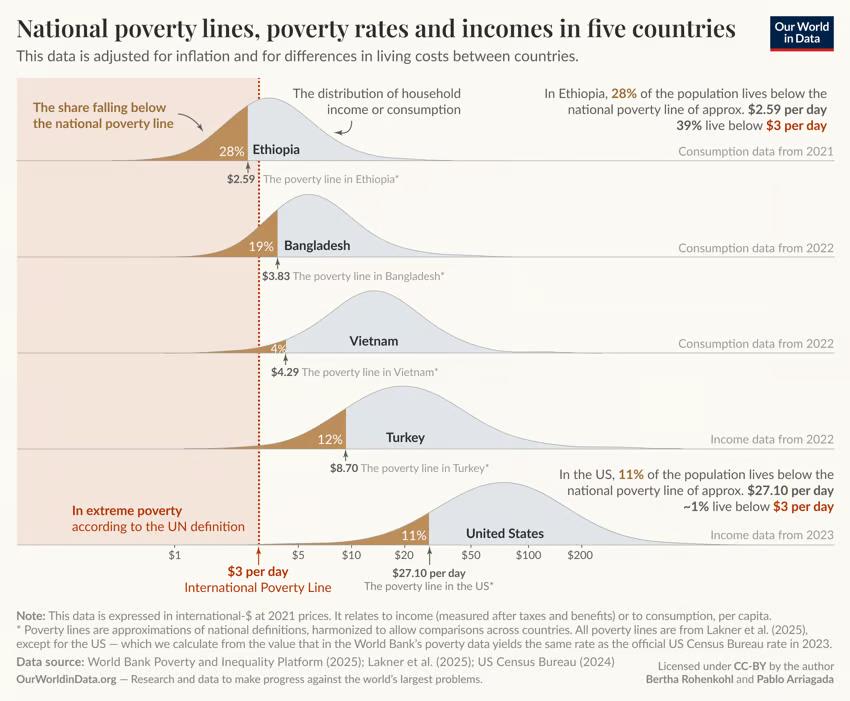
This Our World in Data chart tracks the share of the world population living below different poverty thresholds across time, illustrating poverty as a long-term environmental condition rather than a momentary event. It helps link chronic material disadvantage to sustained stress exposure and downstream behavioral effects (attention, decision-making, and emotional regulation) discussed in the notes. Source
Chronic exposure to disadvantage or stress can change how people interpret events, respond to threats, and interact with others. This means behavior should be understood in context, not treated as the result of personality alone.
Environmental influences often operate as environmental stressors.
Environmental stressor: A feature of the physical or social environment that places demands on a person and can influence thoughts, emotions, and behavior.
A sociocultural explanation also emphasizes that environmental effects are shaped by social meaning. The same condition may be experienced differently depending on cultural expectations, community support, and available resources.
Key environmental factors
Poverty and behavior
Poverty is linked to behavior through several pathways. Limited income may reduce access to nutritious food, safe housing, health care, education, and recreational space. It can also increase exposure to violence, instability, and uncertainty. Together, these conditions may create chronic stress.
Chronic stress can influence attention, decision-making, impulse control, and emotional regulation. People living in poverty may become more focused on immediate needs because long-term planning is harder when daily life is unpredictable. This can affect school performance, work habits, health behaviors, and social relationships.
Poverty can also shape behavior indirectly through social exclusion. When people feel marginalized or judged, they may withdraw from institutions, show lower trust, or feel less control over outcomes. However, poverty does not determine behavior in a simple or universal way. Family support, community solidarity, and access to services can reduce negative effects. A sociocultural view avoids blaming individuals and instead examines how social systems and material conditions shape behavior.
Pollution and behavior
Pollution refers to harmful substances or conditions in the environment, including air pollution, water contamination, and excessive noise.
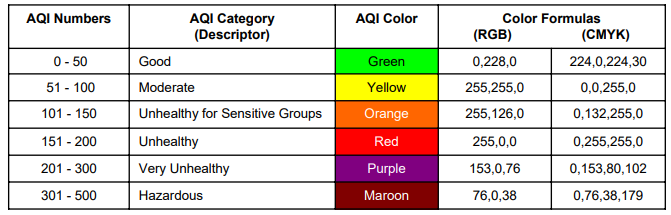
EPA’s Air Quality Index (AQI) categories translate ambient air pollution levels into an easy-to-interpret scale, with color codes and numeric ranges indicating increasing health concern. In sociocultural terms, this kind of standardized index shows how a physical environmental stressor can be monitored and communicated to shape daily decisions (e.g., outdoor activity) and, indirectly, behavior. Source
These exposures can affect behavior through both physical and psychological mechanisms.
For example, poor air quality may contribute to fatigue, headaches, and reduced concentration. Noise pollution can interrupt sleep, increase irritability, and make sustained attention more difficult. When people feel physically uncomfortable or constantly overstimulated, they may show lower patience, weaker academic performance, and more stress-related behavior.
Pollution is also sociocultural because exposure is not evenly distributed. Poorer communities often live closer to traffic, industrial sites, or overcrowded housing. This means environmental risk is connected to inequality. Cultural and political factors influence which groups are protected, which hazards are ignored, and how communities respond. Psychologists therefore study not only the pollutant itself, but also the social context in which exposure occurs.
Isolation and behavior
Isolation usually refers to limited social contact or a lack of meaningful connection with others.
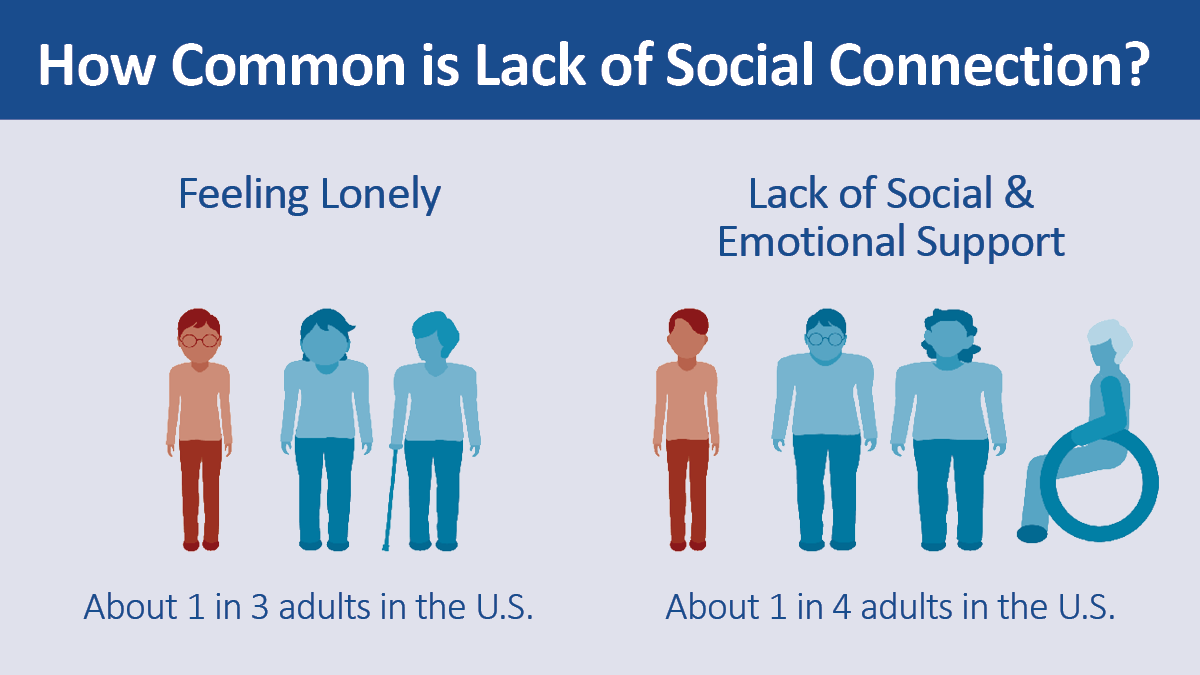
CDC’s summary graphic highlights how common loneliness and low social/emotional support are in U.S. adults, giving concrete prevalence figures. This supports the sociocultural idea that isolation is not only an individual experience but also a population-level condition that can shift risk for anxiety, low mood, and other behavior-relevant outcomes. Source
It can be physical, such as living alone or being separated from a group, or social, such as feeling unsupported even when other people are present.
Isolation may influence behavior by reducing social support, which normally helps people cope with stress. Without support, individuals may show increased anxiety, low mood, poorer motivation, and less confidence in social situations. Over time, isolation can affect communication patterns, participation in community life, and willingness to seek help.
The effects of isolation depend on context. Chosen solitude is not always harmful, but enforced or prolonged isolation is more likely to damage well-being. Sociocultural psychologists are interested in how migration, discrimination, incarceration, illness, or weak community ties can increase isolation and then alter behavior. This highlights that behavior is shaped by relationships and belonging, not just by internal traits.
Investigating environmental factors socioculturally
Environmental influences are often studied in real-world settings because they cannot always be ethically or practically manipulated. Researchers may compare groups living in different neighborhoods, collect survey data on living conditions, observe behavior in schools or communities, or use interviews to understand how people interpret their environment.
A sociocultural investigation pays attention to both patterns and meaning:
Quantitative data can show links between environmental conditions and behaviors such as aggression, academic performance, stress, or withdrawal.
Qualitative data can reveal how people describe stigma, safety, belonging, and daily pressure.
Comparisons across groups can show that the same environmental factor has different effects depending on culture, policy, and social support.
Researchers must be careful about confounding variables. For example, a relationship between pollution and poor concentration may also be influenced by sleep quality, health care access, or school resources. Because of this, findings are often correlational rather than strictly causal.
Ethics are especially important. Studies on poverty, pollution, or isolation involve vulnerable groups, so psychologists should avoid stigma, protect confidentiality, and represent participants respectfully. The sociocultural approach is useful here because it treats behavior as connected to broader living conditions. Instead of asking only “What is wrong with the person?”, it asks how environments, inequality, and social relationships help produce particular behaviors.
Practice Questions
(2 marks)
State one way isolation may affect behavior.
1 mark for identifying one relevant effect, such as withdrawal, lower motivation, reduced help-seeking, anxiety, or reduced social participation.
1 mark for linking that effect to reduced social contact or reduced social support.
(6 marks)
Explain how one environmental factor may influence behavior from a sociocultural perspective.
1 mark for identifying one valid environmental factor, such as poverty, pollution, or isolation.
1 mark for describing that factor accurately.
Up to 2 marks for explaining at least one mechanism linking the factor to behavior, such as chronic stress, reduced concentration, stigma, or lack of support.
1 mark for making the explanation explicitly sociocultural by referring to context, inequality, community, or social meaning.
1 mark for a developed example of a behavioral outcome, such as aggression, withdrawal, reduced academic engagement, or lower trust.
FAQ
Social isolation usually describes an objective lack of contact, such as having very few interactions or relationships.
Loneliness is subjective. A person can be surrounded by others and still feel lonely if their relationships lack closeness or support.
This difference matters because behavior may be affected by either condition. Someone with frequent contact may still show distress if they feel emotionally disconnected.
Yes. Access to parks, trees, and natural environments is often linked to lower stress and better mood.
Green spaces may help behavior by:
encouraging physical activity
supporting social interaction
giving people places to recover attention after mental fatigue
Their effects also depend on safety, maintenance, and whether people can realistically use them.
Crowding is not just about the number of people in a space. It also depends on whether the person feels a loss of privacy, control, or predictability.
Two important factors are:
Perceived control: Crowding feels worse when people cannot leave or adjust the space.
Cultural expectations: In some contexts, close physical proximity is more normal and less stressful.
Because of this, crowding can have different behavioral effects across groups.
Children are still developing emotionally, socially, and cognitively, so repeated stressors may have stronger long-term effects.
They are also more dependent on adults for protection, housing, nutrition, and access to safe spaces. If those supports are weak, children have fewer ways to reduce exposure.
Behavioral effects may appear in attention, school engagement, emotional regulation, or peer relationships.
Sometimes. Digital communication can help people maintain friendships, access support groups, and feel less cut off from others.
However, online contact is most useful when it adds genuine support rather than passive scrolling or negative comparison. It may not fully replace face-to-face relationships, especially when someone needs practical help or a strong sense of belonging.
Its value depends on the quality of interaction, not just the amount.